The Fast Answer: Pick Liners by Wear Type, Not Guesswork
When chutes and hoppers wear out faster than expected, it is rarely because your crew picked a bad liner. More often, the liner simply does not match what is actually happening at that location.
If you want liners that last longer, start by identifying the dominant wear mechanism in each zone. Look at whether the material is hitting, sliding, grinding, or changing direction. Then match liner style, thickness, and mounting to the zone that is failing, not the one that looks worst after teardown.
If material handling is part of your system, it also helps to compare your liner strategy to how your equipment is built and staged. You can review material handling equipment support here.
Step 1: Map Your Wear Zones in Plain Language
Most chutes and hoppers break down into three practical zones.
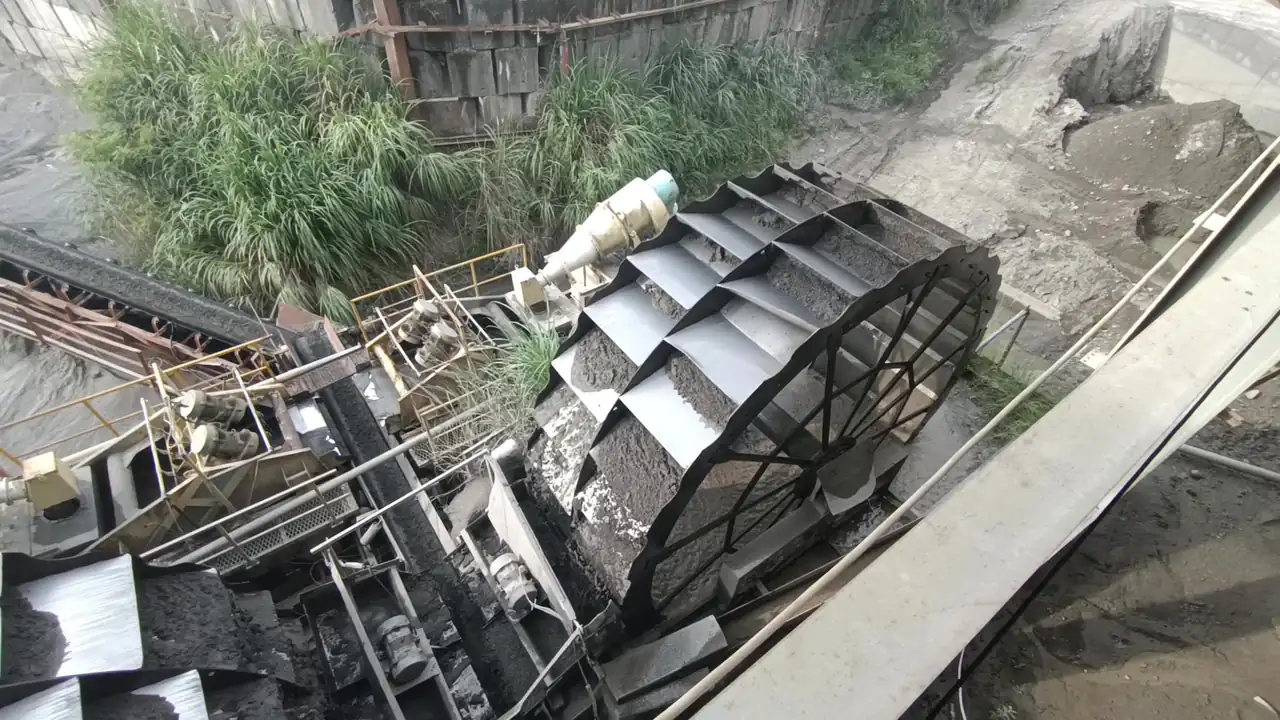
Impact zone. This is where material hits first after a drop. You usually see dents, cracking, broken fasteners, and sharp gouges.
Slide zone. This is where material flows and grinds along the surface. Look for smooth thinning, polishing, and scalloped wear.
Transition zone. This is where direction changes, turbulence builds, or material rebounds. Wear is often uneven, with edge loading near angle changes.
A short walkdown with a flashlight and notebook is enough. You are not looking for perfection, just repeatable clues that explain why the liner failed.
Step 2: Choose the Right Liner Category for the Job
You usually have several liner categories available, and each one earns its keep in the right application.
Abrasion-resistant steel plate performs well in steady sliding wear and predictable flow paths.
Rubber or composite systems work where noise reduction, stickiness, or controlled impact matters more than pure abrasion resistance.
Ceramic-backed liners fit high-abrasion zones with predictable flow, typically where impact levels are lower.
Replaceable wear bars and segmented liners make sense when wear is localized and you want fast change-outs without replacing an entire wall.
If your site is already focused on crusher wear life and performance, keeping your chute and hopper liner plan aligned helps avoid creating new bottlenecks upstream or downstream. Our wear parts team can help you compare options.
Copyable Table: Wear Liner Selection Matrix
Use this table to guide first-pass liner decisions before finalizing thickness and mounting details.
| Location | Dominant Wear Type | What You Usually See | Liner Approach to Test | Notes to Confirm Before Ordering |
|---|---|---|---|---|
| Hopper walls | Sliding abrasion | Thinning, polishing | Abrasion-resistant plate, segmented liners | Confirm flow pattern and moisture |
| Hopper impact shelf | Impact and abrasion | Dents, cracks, gouges | Thicker plate, impact bars, backed systems | Confirm drop height and rock size |
| Chute impact zone | Repeated impact | Broken fasteners, cracking | Impact-focused liner design | Confirm mounting method and spacing |
| Chute slide zone | High abrasion | Smooth thinning | Abrasion-resistant plate, ceramic in low-impact areas | Confirm velocity and fines content |
| Transfer point | Mixed wear and turbulence | Uneven wear, edge loading | Segmented systems, replaceable wear bars | Confirm chute angle and alignment |
The Hidden Variables That Quietly Shorten Liner Life
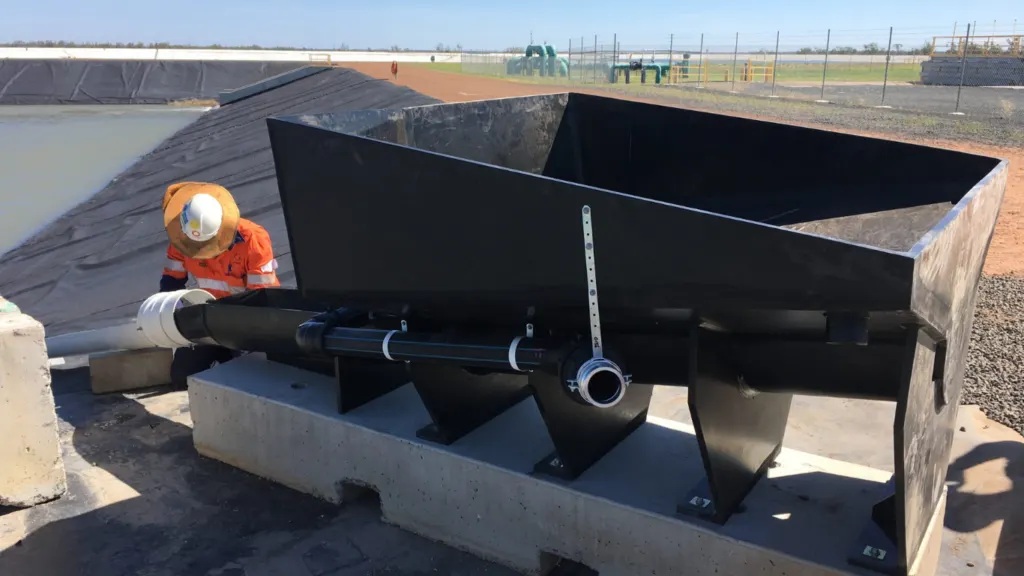
Two sites can run the same liner material and see very different results. The most common drivers are rarely obvious on paper.
Drop height and rock size change impact energy quickly.
Moisture and clay alter flow paths and increase buildup.
Chute angle and alignment concentrate wear and create edge loading.
Mounting methods matter. Fasteners, backing plates, and support structure can limit liner life long before the material itself fails.
If transfer points keep driving unplanned work, it is worth checking the equipment design alongside the liner choice. Our engineering solutions team can help you look at both together.
Frequently Asked Questions
What are the three main wear zones in a mining chute or hopper?
Most chutes and hoppers break down into an impact zone, a slide zone, and a transition zone, each with its own wear pattern and liner needs.
What is the difference between abrasion-resistant steel plate and ceramic-backed liners?
Abrasion-resistant steel plate handles steady sliding wear and predictable flow paths well, while ceramic-backed liners fit high-abrasion zones with predictable flow, typically where impact levels are lower.
When should I use replaceable wear bars or segmented liners instead of a full plate?
Replaceable wear bars and segmented liners make sense when wear is localized, since they allow fast change-outs without replacing an entire wall.
What factors besides liner material affect how long a liner lasts?
Drop height, rock size, moisture and clay content, chute angle and alignment, and mounting method all influence liner life, sometimes more than the liner material itself.
How do I decide which liner to test first at a specific wear location?
Match the liner approach to the dominant wear type at that location using a selection matrix, then confirm details like flow pattern, drop height, velocity, or chute angle before ordering.
Talk Through Your Chute or Hopper Wear Problem
If you want help narrowing liner options, send a few photos, your material description, and the location that keeps failing. A short conversation can help you break the repeat repair cycle.
Contact Apache Iron Works:
- Phone: 307-772-4563
- Email: sales@apacheironworks.com
Request a quote with Apache Iron Works or call 307-772-4563 to talk through your wear problem with our team.
About the Author
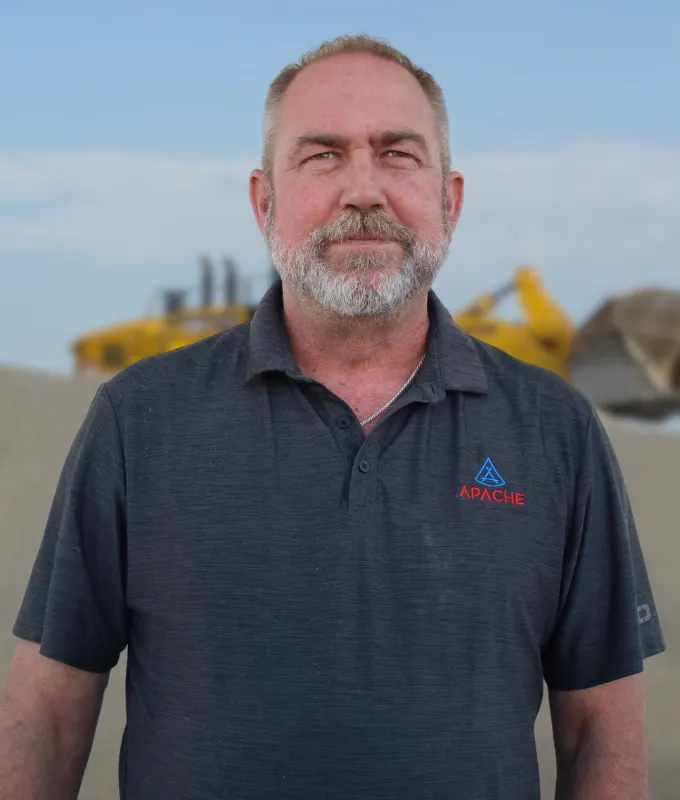
Nathan Myers
Co-Founder & Managing Director
Nathan Myers is Co-Founder and Managing Director of Apache Iron Works, headquartered in Cheyenne, Wyoming. With 30 years in the mining and aggregate equipment industry, he has helped design and deliver more than 180 mining projects across 7 states and 7 countries.