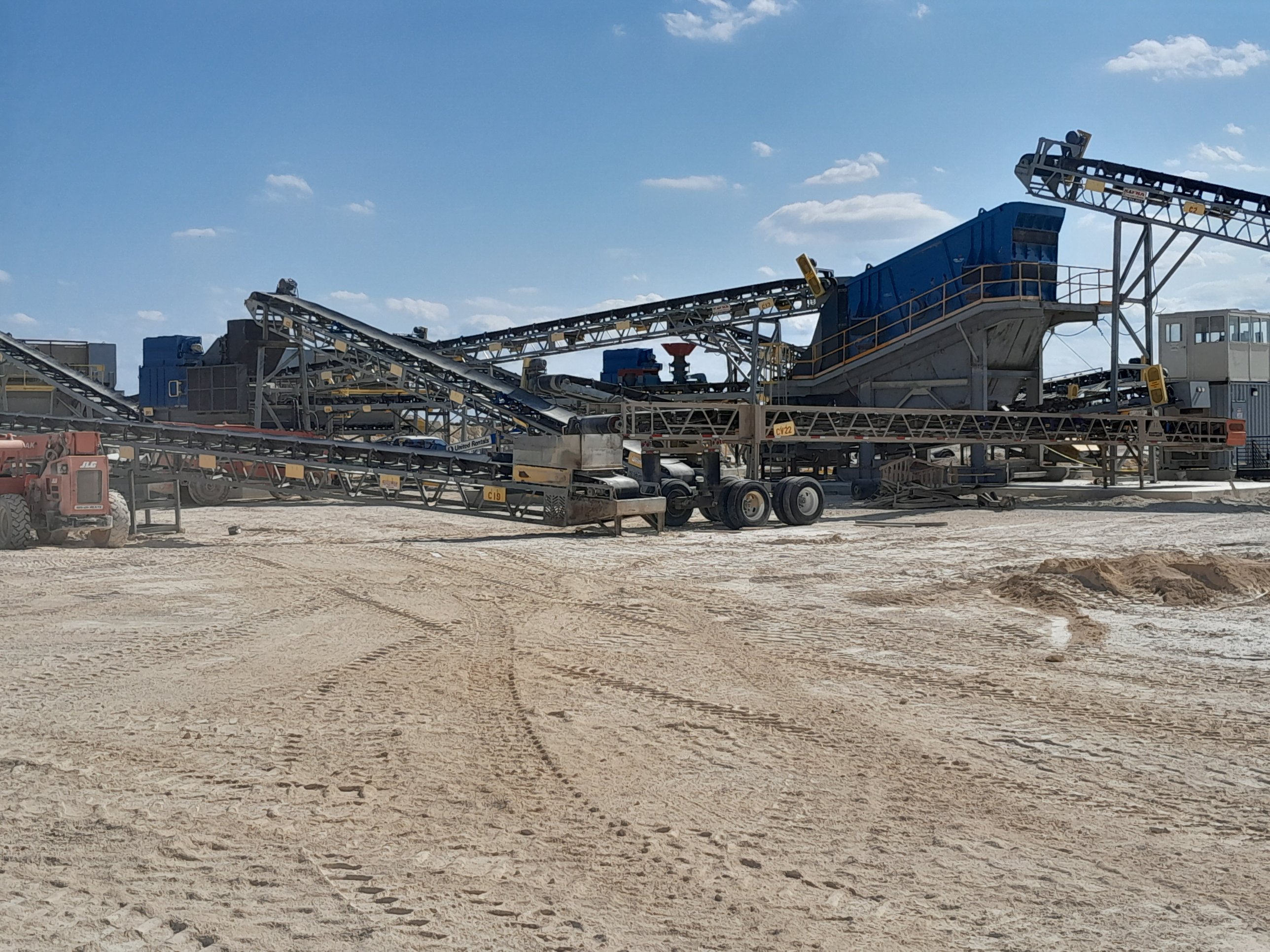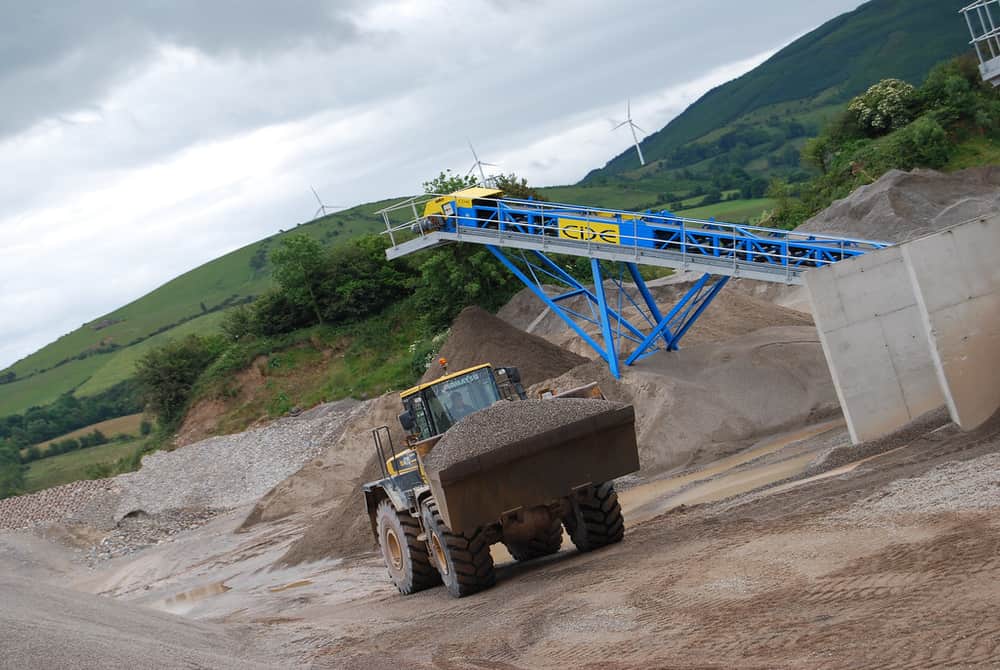
The slurry leaving a wash plant can look like waste.
Sometimes it is. Sometimes it contains a fraction of usable sand that deserves a closer look.
The costly mistake is assuming either answer without checking.
Aggregate fines recovery starts with understanding what is in the stream, what product you could make, and whether recovering it makes financial sense. More captured material does not automatically mean more revenue.
For producers reviewing water use, pond maintenance, and product yield, that distinction matters.
Why Fines Recovery Is Part of the Equipment Conversation
Washing removes unwanted material so the finished aggregate can meet its intended requirements. Along the way, fine particles travel with process water.
Sending those solids to a settling pond can create several operating questions:
- Is usable material leaving with the waste?
- How quickly are solids consuming pond capacity?
- What does cleanout and solids handling cost?
- How much usable process water can return to the plant?
Recovery may help address some of these issues, depending on the material and the system. It should be evaluated as part of the wash circuit, not as a machine purchased in isolation.
1. Separate Valuable Fines From Unwanted Material
"Fines" describes particle size. It does not establish product quality.
A stream may contain fine sand, silt, clay, or other material with very different behavior and potential uses.
Recovering fine sand may improve yield if it can meet a product specification or enter a suitable blend. Capturing unwanted clay and adding it back to the sand can create a quality problem instead.
Start with representative sampling and appropriate laboratory testing. Depending on the intended product, the review may include:
- Particle-size distribution.
- Clay or other deleterious material.
- Solids concentration and stream flow.
- Moisture and handling characteristics after dewatering.
- Customer specifications and potential end uses.
The appropriate test program should be selected for the material and application. A product suitable for one use may not qualify for another.
2. Give Each Piece of Equipment a Defined Job
Washing, classification, fines recovery, and water clarification are connected tasks, but they are not interchangeable.
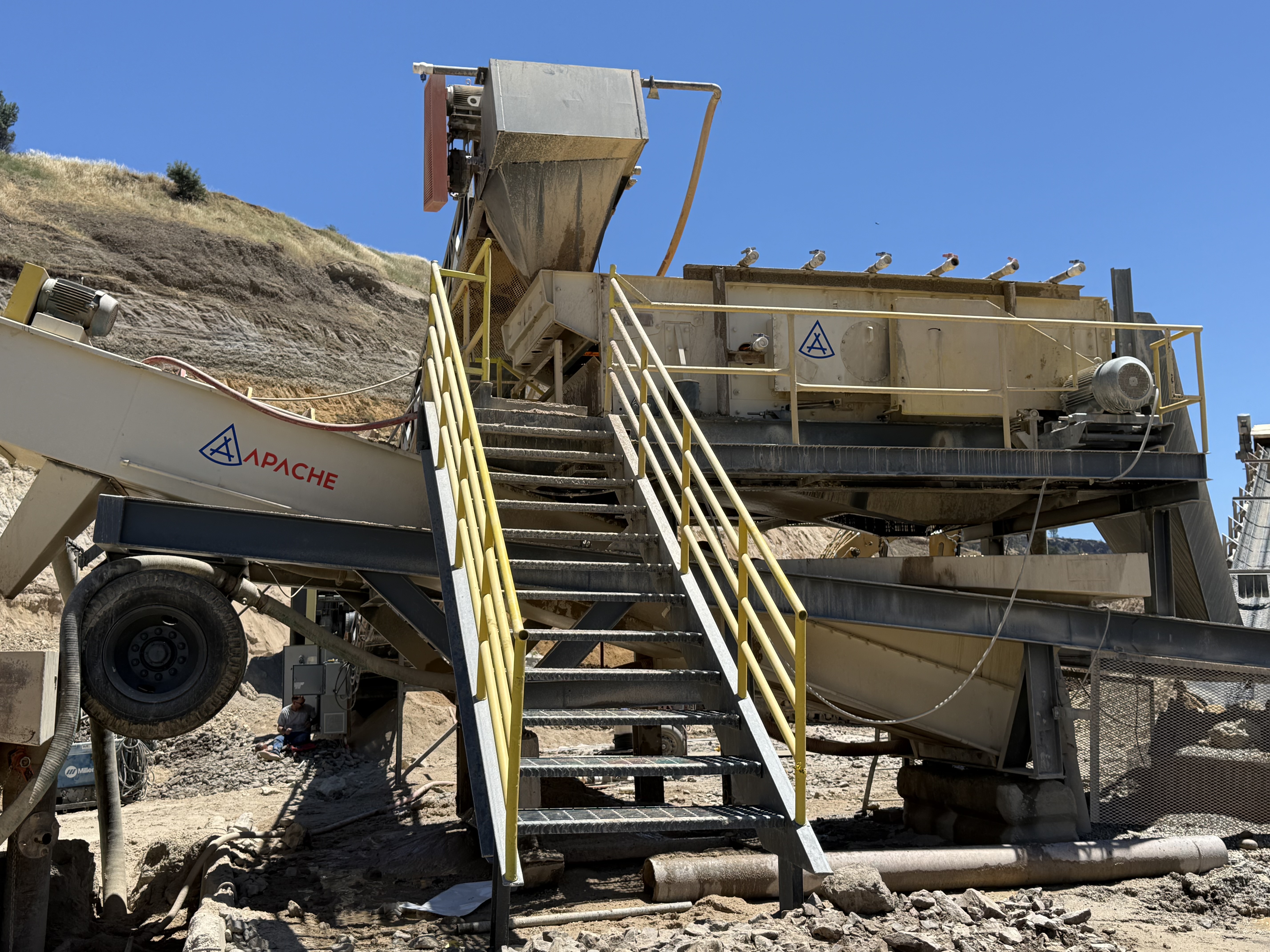
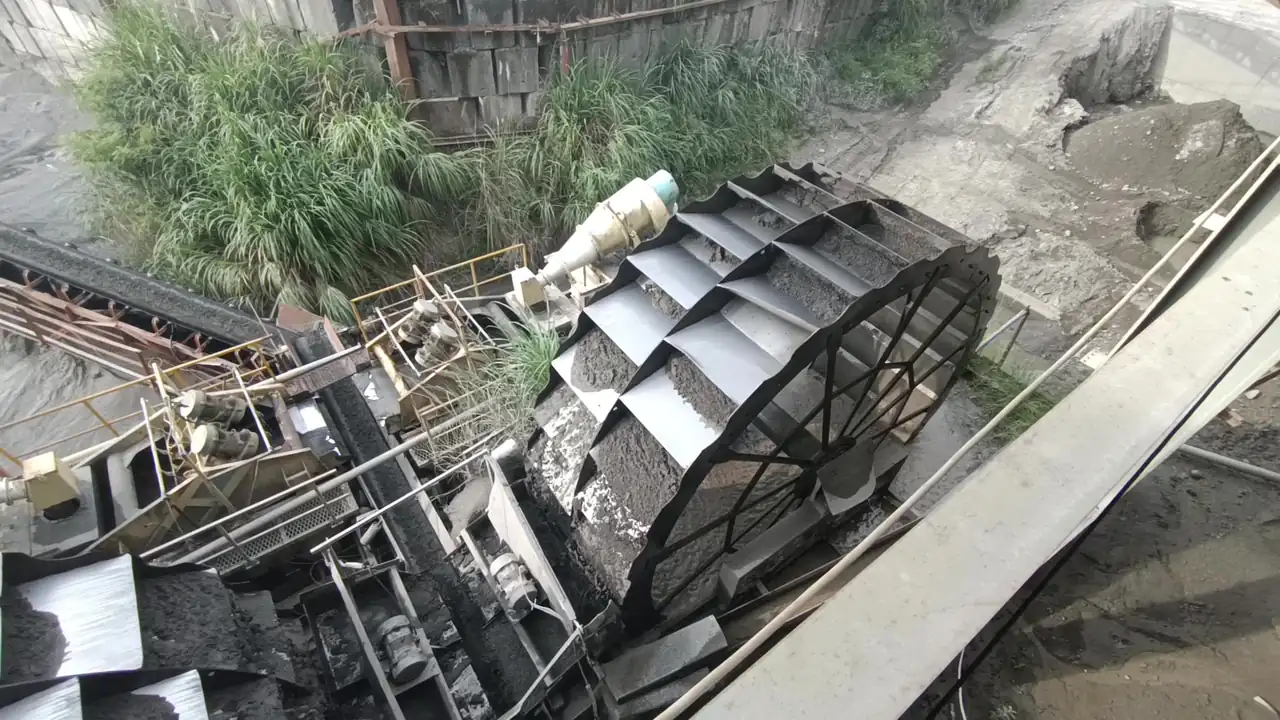
A screw washer may wash, classify, and partially dewater sand. A hydrocyclone can separate particles in a slurry, with performance influenced by particle characteristics and operating conditions. A dewatering screen reduces the water carried with recovered solids.
Thickeners and filter presses perform different downstream water-and-solids management duties. A thickener concentrates solids and produces overflow water for potential reuse. A filter press can further dewater suitable slurry into a filter cake.
These are industry equipment categories, not a claim that Apache manufactures every component listed.
The correct arrangement depends on the feed, separation target, available water, space, and handling requirements. No single machine performs every duty equally well.
3. Evaluate Water Reuse Alongside Product Recovery
Solids separation can make more water available for reuse. However, the recirculated water must remain suitable for the process.
Residual suspended solids and other water-quality characteristics can affect washing performance and equipment selection. Makeup water may still be needed because water leaves with products and residual solids or is lost through evaporation and other site conditions.
Ask for a site-specific water balance instead of relying on a generic recovery percentage.
Likewise, "closed loop" should not be treated as a promise of zero water consumption, zero discharge, or automatic permit compliance. Applicable environmental requirements need their own review.
4. Calculate the Net Benefit, Not Just the Recovered Tons
A recovery proposal should account for what the additional material actually earns or avoids costing.
A practical screening calculation is:
Potential annual net benefit = additional product contribution + documented avoided costs − additional operating costs.
Product contribution should reflect realistic selling prices and the relevant variable costs of making and handling that product. Avoided costs could include demonstrable reductions in cleanout, disposal, or purchased water.
Then consider the full installed investment: equipment, pumps, piping, electrical work, foundations, integration, and commissioning where applicable.
Also include ongoing items such as:
- Energy and maintenance.
- Wear parts and consumables.
- Labor, testing, and quality control.
- Stockpiling, transport, and residual-solids disposal.
Avoid counting the same benefit twice. Recovered material that has no acceptable use or customer may create an additional handling cost rather than a new revenue stream.
5. Use Site Data to Guide the Next Step
Before requesting equipment pricing, assemble a short project brief:
- Current feed and target finished-product specifications.
- Representative slurry samples and test results.
- Estimated flow and solids loading under varying conditions.
- Existing washing equipment and layout.
- Water supply and reuse constraints.
- Pond management costs and proposed product outlets.
Do not assume one sample represents the entire deposit. Feed conditions can vary, and the proposed system should account for the operating range.
The objective is a defensible equipment decision, even if the conclusion is that a particular recovery project is not economical.
Start With the Stream You Already Have
Apache Iron Works' washing and classifying equipment includes LW Series log washers, CW Series coarse material washers, and SW Series sand washers.
Apache also offers equipment and engineered solutions across crushing, screening, and material handling. Those connected stages matter when reviewing where material goes and what the finished product needs to be.
If your wash plant is losing sand, struggling with product consistency, or prompting questions about its next upgrade, bring Apache your material information and operating goals. Discuss which equipment and integration requirements fit the project.
Contact Apache Iron Works or call 307-772-4563.
Recoverability, product acceptance, water reuse, and financial results depend on material testing, equipment design, market demand, and site conditions. Recovery equipment does not guarantee saleable product, a specified water-recovery rate, or regulatory compliance.
About the Author
Nathan Myers
Co-Founder & Managing Director
Nathan Myers is Co-Founder and Managing Director of Apache Iron Works, headquartered in Cheyenne, Wyoming. With 30 years in the mining and aggregate equipment industry, he has helped design and deliver more than 180 mining projects across 7 states and 7 countries.