Choosing between a mobile or stationary crushing and screening plant is a major decision that affects how your operation runs today and how it scales tomorrow. At Apache Iron Works, we guide producers through every step of the process to help them select equipment that fits both current and future production needs.
Why Plant Type Matters
The plant layout you choose will affect setup speed, maintenance access, investment cost, and mobility. Here's how each option stacks up.
Mobile Crushing Plants
- Portability: Trailer mounted units are easy to relocate between jobs.
- Setup Time: Rapid deployment with minimal site prep.
- Output: Supports moderate to high production rates.
- Flexibility: Ideal for contractors or remote operations with shifting sites.
- Upfront Cost: Lower initial investment compared to stationary systems.
Stationary Crushing Plants
- Scale: Best suited for long term, high throughput operations.
- Stability: Built on fixed foundations for maximum structural integrity.
- Integration: Easily incorporates multi-stage crushing, screening, and storage.
- Throughput: Higher ton per hour capacity than mobile setups.
- Cost Efficiency: More economical over the long term for consistent production.
Application Based Comparison
| Factor | Mobile Plant | Stationary Plant |
|---|---|---|
| Setup Time | Minimal site prep | Requires foundations |
| Mobility | Highly relocatable | Fixed at permanent site |
| Output Capacity | Moderate to high | High to ultra high |
| Initial Investment | Lower | Higher, but scalable |
| Maintenance Access | Modular and field serviceable | Ideal for heavy duty repairs |
When to Go Mobile
If your operation includes:
- Contract work across multiple sites
- Limited space or infrastructure
- Short term or seasonal crushing needs
Then a mobile plant may offer faster ROI and logistical benefits.
When Stationary Is Smarter
If your goals include:
- Long term operation at a dedicated site
- Ultra high production volume
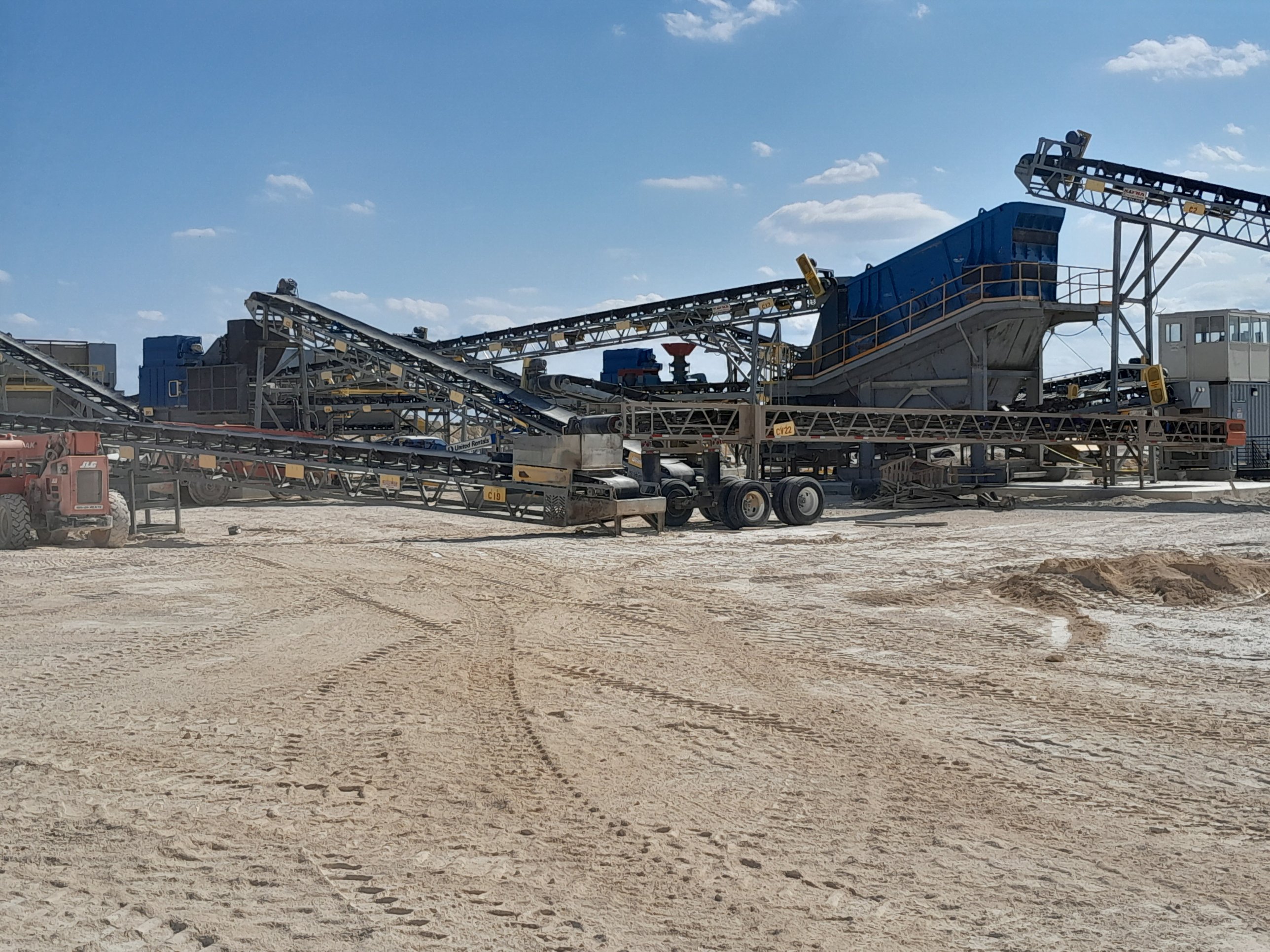
- Integrated processing lines with conveyors and screening decks
Then a stationary plant delivers the throughput and stability to support aggressive growth.
Frequently Asked Questions
What's the main difference between a mobile and a stationary crushing plant?
A mobile plant is trailer mounted and built to relocate quickly between job sites, while a stationary plant is built on a fixed foundation for long term, high throughput production at one location.
What are the benefits of a mobile crushing plant?
Mobile plants deploy quickly with minimal site prep, are easy to relocate, support moderate to high production rates, and generally cost less upfront than a stationary system.
What are the benefits of a stationary crushing plant?
Stationary plants offer higher ton per hour throughput, greater structural stability, and easier integration of multi-stage crushing, screening, and storage, which makes them more cost efficient over the long term for consistent production.
When should I choose a mobile plant over a stationary one?
A mobile plant tends to make sense for contract work across multiple sites, limited space or infrastructure, and short term or seasonal crushing needs, since it can offer faster ROI and logistical flexibility.
When does a stationary plant make more sense?
A stationary plant is the better fit for long term operation at a dedicated site, ultra high production volume, and integrated processing lines with conveyors and screening decks that need to support aggressive growth.
How does Apache Iron Works help me choose between mobile and stationary equipment?
Apache Iron Works works directly with your team to assess site conditions, production targets, and expansion plans before recommending a plant type, since every project is different.
Get Expert Guidance
Every project is different. That's why Apache Iron Works works directly with your team to assess site conditions, production targets, and expansion plans before recommending a plant type. Get a quote from Apache Iron Works or call 307-772-4563 to talk to a design expert about your site.
Apache Iron Works: Engineered to Deliver. Built to Last.
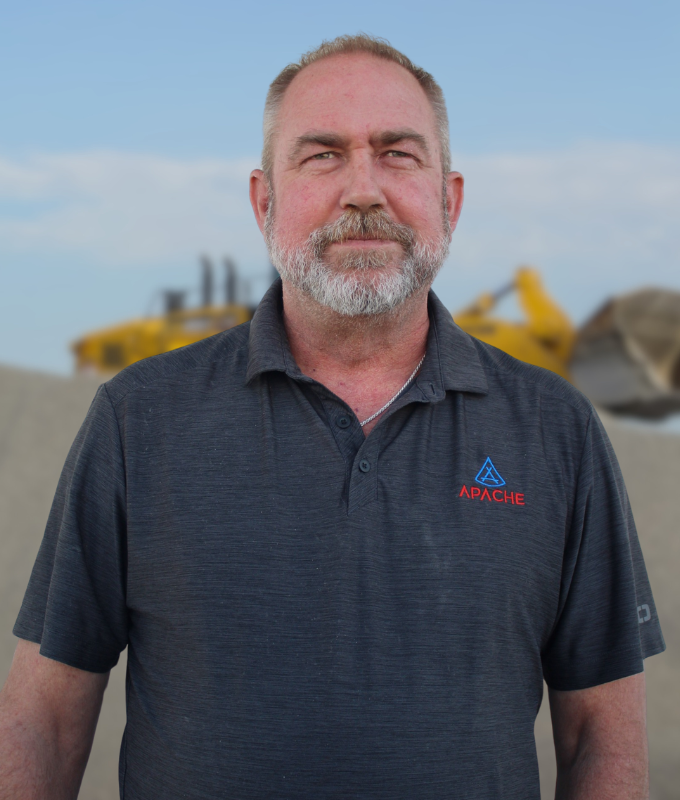
About the Author
Nathan Myers
Co-Founder & Managing Director
Nathan Myers is Co-Founder and Managing Director of Apache Iron Works, headquartered in Cheyenne, Wyoming. With 30 years in the mining and aggregate equipment industry, he has helped design and deliver more than 180 mining projects across 7 states and 7 countries.