In any aggregate or mining operation, consistency is everything, especially when it comes to feeding material into your crushers. At Apache Iron Works, we know that even the most advanced crushing lines rely on a well matched feeder to perform at peak efficiency. It is the first step in your processing line, and it sets the tone for everything that follows.

Why Feeders Matter
Feeders regulate the flow of raw material into crushers and screens. Run them too fast, and you risk overloading the line or wearing components unevenly. Run them too slow and you sacrifice output. Apache feeders are engineered to deliver steady, controlled flow rates that help maintain crusher efficiency and prolong the life of wear components.
Feeder Types and Features
Our feeders come in a variety of configurations depending on your material type and production demands.
- Grizzly Feeders: Built for abrasive or heavy material, with adjustable spacing to screen out fines before they reach the crusher, protecting equipment and improving throughput.
- Vibrating Feeders: Deliver smooth, continuous flow and are ideal for modular and mobile setups.
- Belt Feeders: Great for lower impact loads and controlled delivery to secondary equipment.
Reducing Downtime
Apache feeders are built to handle shock loads and abrasive materials, which reduces wear and unplanned shutdowns. Paired with remote monitoring and hydraulic control systems, they also give operators greater control over feed rates and reduce the need for manual intervention.
Designed for Mobility
Whether integrated into a fully mobile crushing unit or a modular plant, our feeders are built for fast setup and easy transport. They align seamlessly with Apache's crushers and screens to create a complete material handling system.
Why Quality Feeders Pay Off
Investing in a high quality feeder maximizes plant uptime, protects downstream equipment, and keeps your production on track. At Apache Iron Works, we work closely with each customer to configure feeders that meet the exact demands of their operation.
The right feeder is not the one with the biggest hopper. It is the one matched to your material, your production demands, and the rest of your line.
Frequently Asked Questions
What do feeders actually do in a crushing line?
They regulate the flow of raw material into crushers and screens, keeping the load steady so the rest of the line performs at peak efficiency.
What happens if a feeder runs too fast or too slow?
Too fast and you risk overloading the crusher or wearing components unevenly. Too slow and you sacrifice output. A well matched feeder keeps flow steady in between.
What types of feeders does Apache Iron Works offer?
Grizzly feeders for abrasive or heavy material, vibrating feeders for smooth continuous flow in modular and mobile setups, and belt feeders for lower impact loads and controlled delivery to secondary equipment.
How do Apache feeders help reduce downtime?
They are built to handle shock loads and abrasive materials, which reduces wear and unplanned shutdowns, and they pair with remote monitoring and hydraulic control systems for greater control over feed rates.
Are Apache feeders built for mobile or modular plants?
Yes. They are built for fast setup and easy transport, and they align seamlessly with Apache crushers and screens to create a complete material handling system.
Why does investing in a quality feeder pay off?
A high quality feeder maximizes plant uptime, protects downstream equipment, and keeps your production on track, which is why Apache Iron Works configures each feeder to match the exact demands of the operation.
Ready to Upgrade Your Feed System?
To learn more about our feeder options or get help selecting the right unit for your system, request a quote from Apache Iron Works or call us at 307-772-4563 to talk through your operation with our team.
About the Author
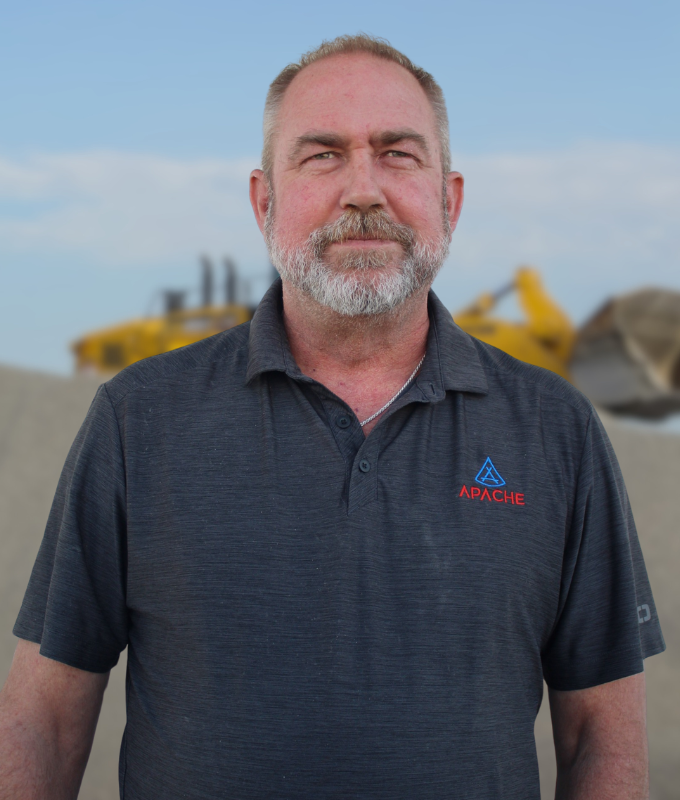
Nathan Myers
Co-Founder & Managing Director
Nathan Myers is Co-Founder and Managing Director of Apache Iron Works, headquartered in Cheyenne, Wyoming. With 30 years in the mining and aggregate equipment industry, he has helped design and deliver more than 180 mining projects across 7 states and 7 countries.