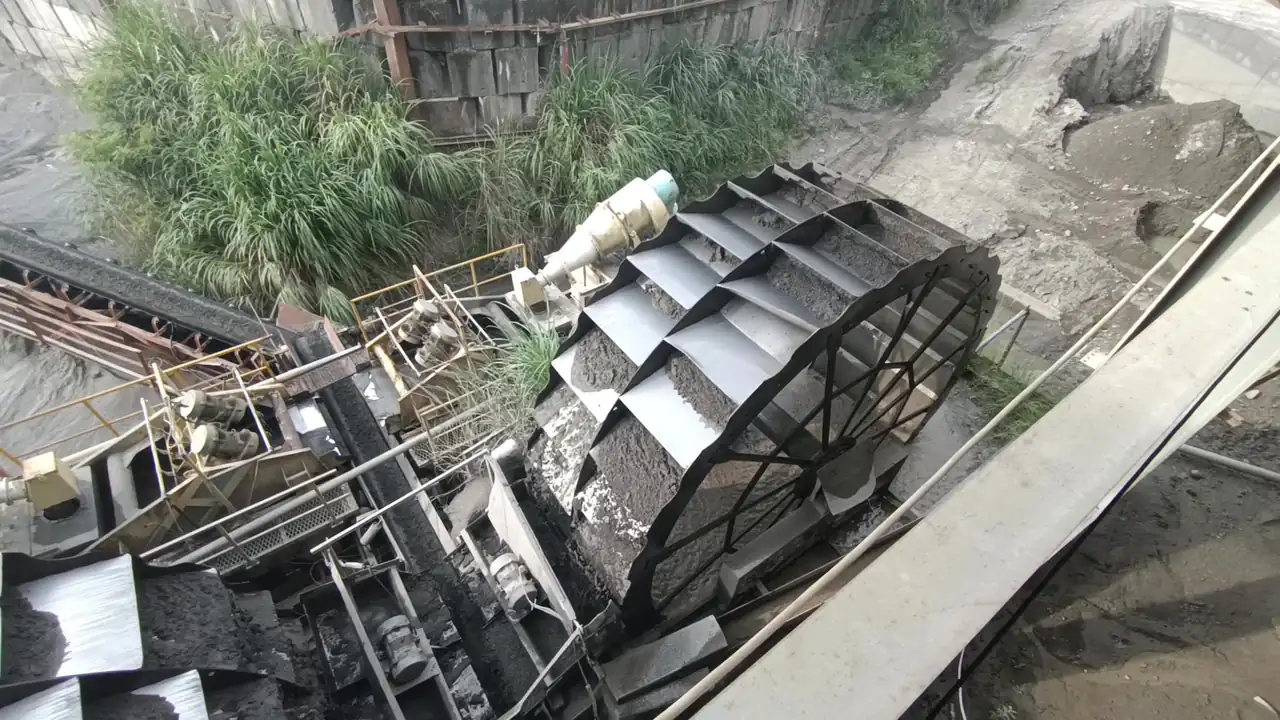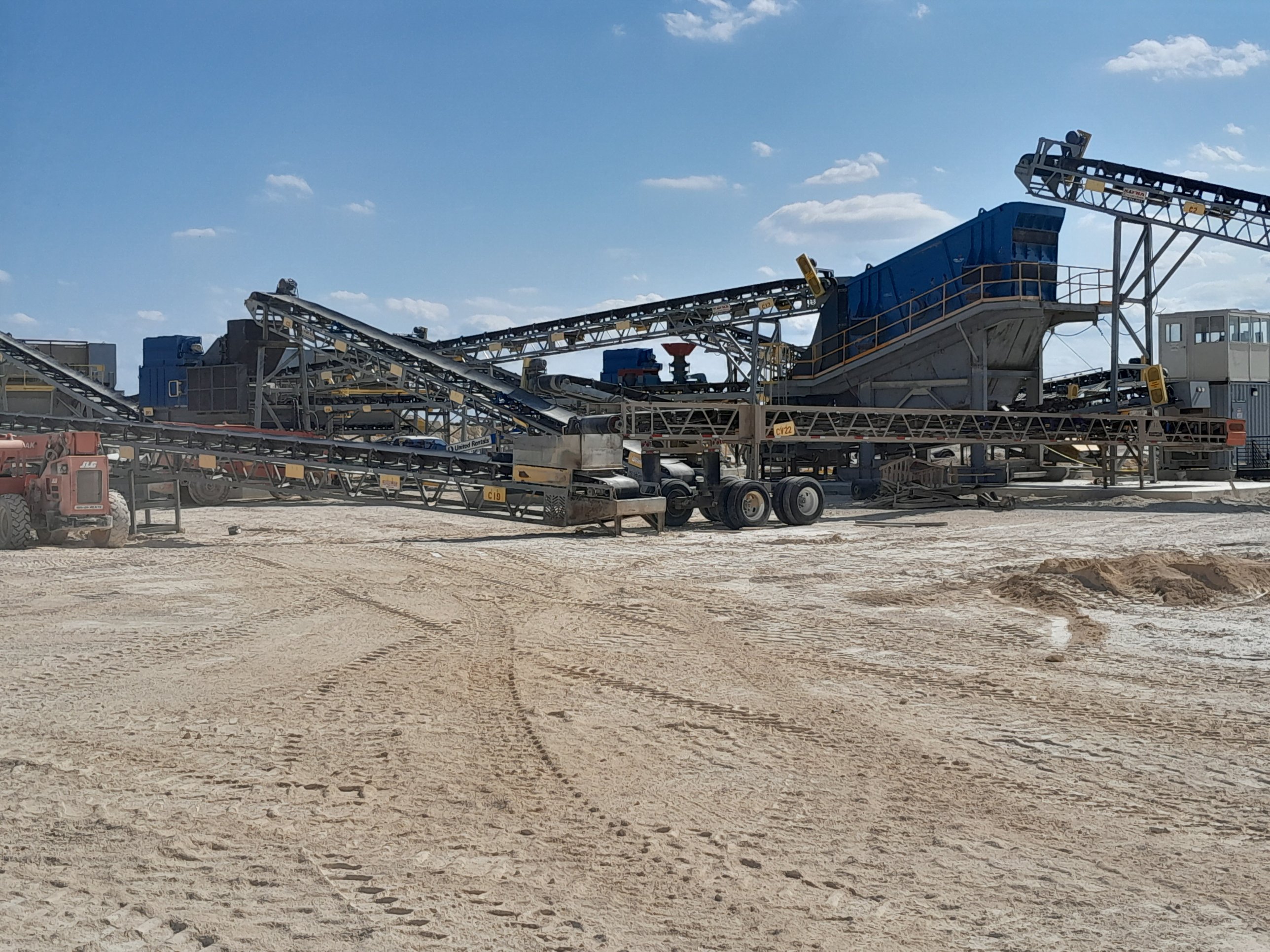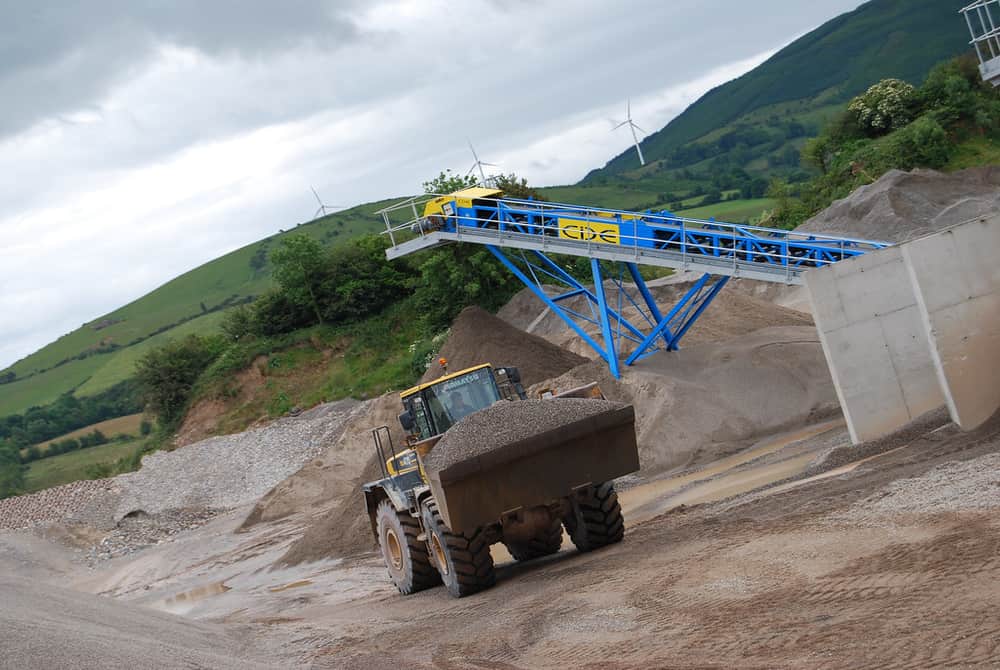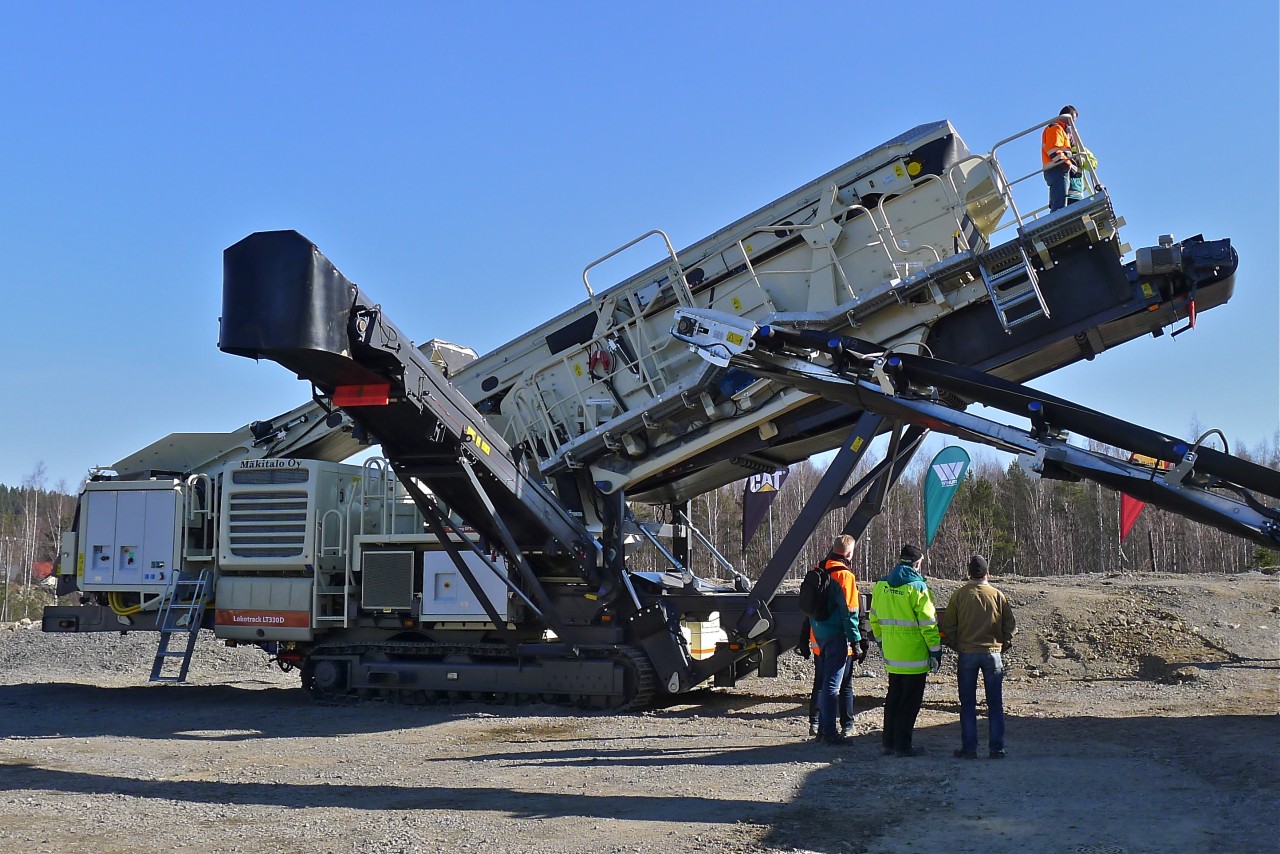
A mobile crushing and screening plant is more than just a set of machines. It's a strategic investment that increases flexibility, reduces transport costs, and speeds up deployment. At Apache Iron Works, we design custom mobile systems that meet the real-world demands of aggregate producers, contractors, and miners across North America.
Industry studies show that mobile solutions can cut hauling costs by up to 30 percent (Scispace). Here's how Apache approaches building a mobile plant that works.
Step 1: Define Production Goals
Every project begins by answering a few critical questions:
- What materials will be processed?
- What are the required output sizes and tonnage per hour?
- How frequently will the system move from site to site?
Defining these needs helps determine the right layout, components, and power system for your setup.
Step 2: Select the Right Primary Crusher
Choosing between a jaw, cone, or impact crusher depends on the material's hardness, abrasiveness, and the end-product requirements:
- Jaw crushers: Best for large, coarse feed material like blasted rock.
- Cone crushers: Ideal for secondary or tertiary crushing with more precision.
- Impact crushers: Great for recycling and softer aggregates requiring speed and a high reduction ratio.
Apache's mobile crushers are available in both track-mounted and wheeled formats with fuel-efficient engines and durable construction.
Step 3: Configure Screening and Sorting
After crushing, materials must be accurately sorted. Apache offers multi-deck vibrating screens that enable operators to separate material into several sizes in a single pass.
Typical Screen Types
| Screen Type | Application |
|---|---|
| Single Deck | Basic sizing or scalping |
| Double/Triple Deck | Multi-grade separation |
| Grizzly Deck | Removes fines before crushing |
Screens can be configured with polyurethane, wire mesh, or punch plates to suit material flow and reduce blinding.
Step 4: Integrate Feeders and Conveyors
Feeders control the flow of material between stages, while conveyors transport it efficiently:
- Grizzly feeders pre-screen material to reduce crusher wear.
- Pan or belt feeders provide smooth flow.
- Stackers and discharge conveyors help manage finished product piles.
Step 5: Design for Mobility and Maintenance
Apache chassis designs prioritize quick setup and transport. Features include:
- Hydraulic leveling jacks
- Folding conveyors
- Maintenance platforms with easy component access
Whether trailered or deployed long-term, Apache plants adapt to rugged conditions with minimal setup time.
Step 6: Power and Control
Power can be diesel, electric, or hybrid depending on the site. We integrate:
- Centralized control panels
- Remote monitoring and diagnostics (via telematics)
- Real-time performance tracking
This ensures you stay in control of output and efficiency, even from offsite.
Real-World Results
A recent customer in the Midwest reduced their hauling costs by 28 percent and doubled output capacity after switching to a mobile Apache plant deployed directly at the excavation face.
Frequently Asked Questions
What should I define before designing a mobile crushing and screening plant?
Start by defining the materials you'll process, the output sizes and tonnage per hour you need, and how often the system will move from site to site. These answers shape the right layout, components, and power system for your setup.
How do I choose between a jaw, cone, and impact crusher?
It depends on your material's hardness, abrasiveness, and end-product requirements. Jaw crushers handle large, coarse feed like blasted rock; cone crushers suit secondary or tertiary crushing with more precision; and impact crushers work well for recycling and softer aggregates that need speed and a high reduction ratio.
What types of screens are available for a mobile plant?
Apache offers multi-deck vibrating screens, including single deck for basic sizing or scalping, double or triple deck for multi-grade separation, and grizzly deck to remove fines before crushing. Screens can be configured with polyurethane, wire mesh, or punch plates to suit material flow.
What features make a mobile plant easier to move and maintain?
Apache chassis designs include hydraulic leveling jacks, folding conveyors, and maintenance platforms with easy component access, so plants can be trailered or deployed long-term and still adapt to rugged conditions with minimal setup time.
What power and control options come with an Apache mobile plant?
Power can be diesel, electric, or hybrid depending on the site, and every system integrates centralized control panels, remote monitoring and diagnostics through telematics, and real-time performance tracking.
How much can a mobile crushing and screening plant reduce hauling costs?
Industry studies show mobile solutions can cut hauling costs by up to 30 percent, and one Apache customer in the Midwest reduced hauling costs by 28 percent while doubling output capacity after switching to a mobile plant deployed at the excavation face.
Let's Build Your Mobile Plant
Every system we build is tailored to your operation's goals, site conditions, and future scalability. When you partner with Apache Iron Works, you get more than equipment: you get decades of field knowledge and engineering support.
Ready to start? Get a quote from Apache Iron Works or call 307-772-4563 to speak with our engineering team today.
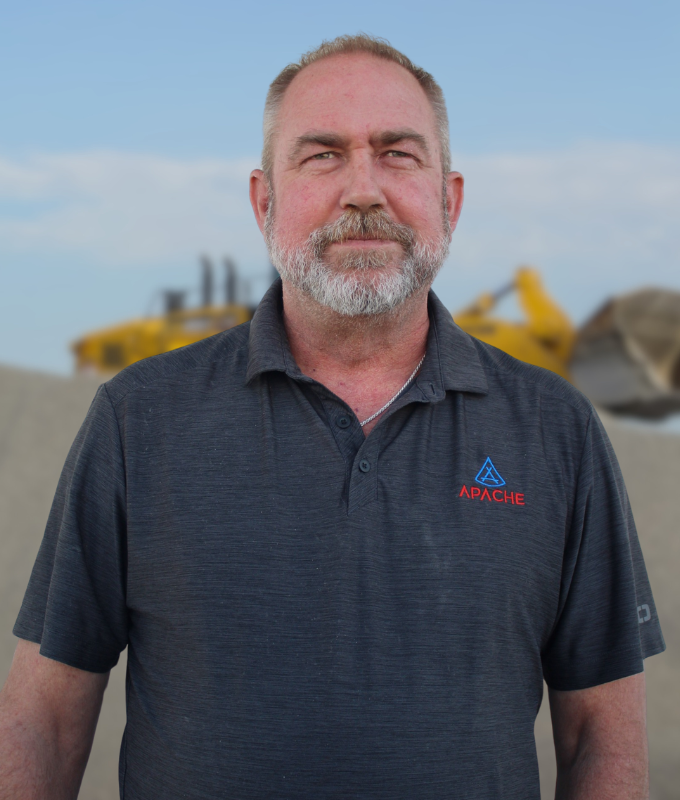
About the Author
Nathan Myers
Co-Founder & Managing Director
Nathan Myers is Co-Founder and Managing Director of Apache Iron Works, headquartered in Cheyenne, Wyoming. With 30 years in the mining and aggregate equipment industry, he has helped design and deliver more than 180 mining projects across 7 states and 7 countries.