If you want better uptime, start with the systems that quietly create the most disruption when they are overlooked.
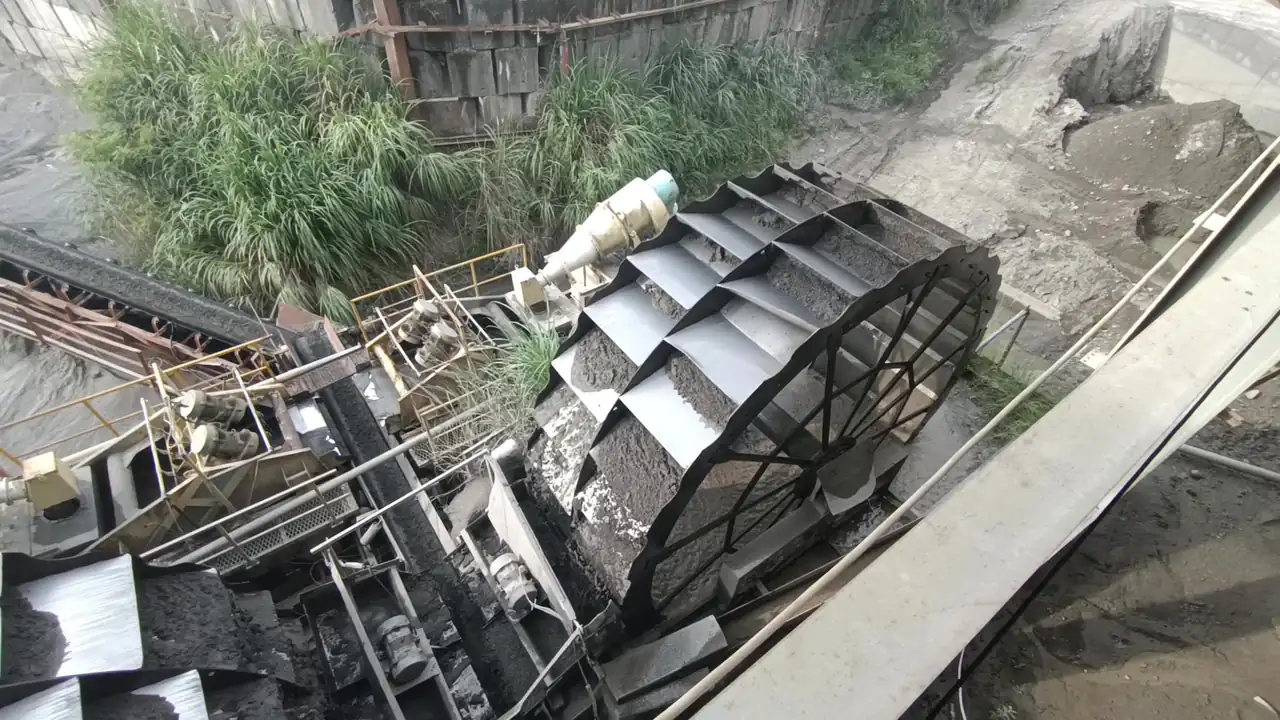
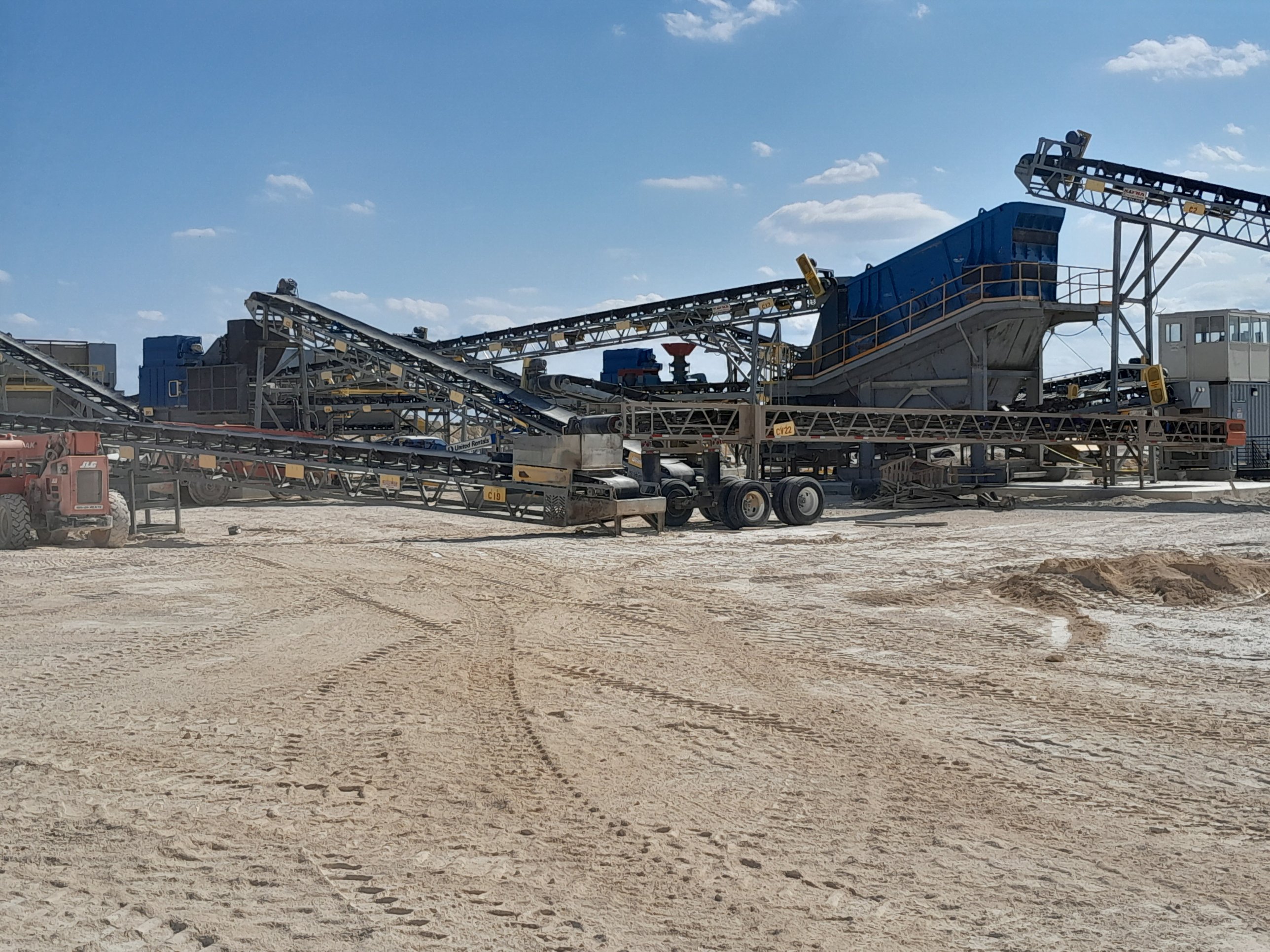
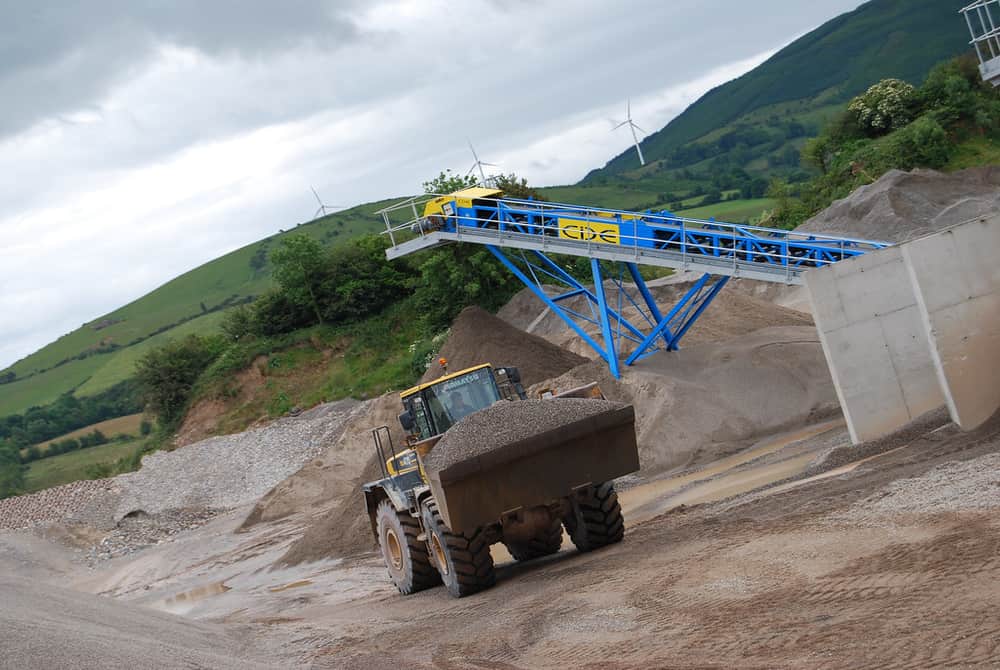
In most mining and aggregate plants, that means crushers, screens, conveyors, transfer points, and the wear components supporting them every shift.
A strong maintenance checklist should not feel like paperwork. It should help you catch issues before they turn into shutdowns, cleanup problems, or rushed part orders.
What a Useful Checklist Actually Does

The best checklists do not try to cover everything. They focus your attention on what affects uptime, safety, and maintenance planning the most.
A useful checklist gives your team a repeatable way to inspect, spot patterns, and act before failure forces the schedule.
Most shutdowns do not come from one major event. They build from smaller issues like misalignment, loose components, uneven wear, vibration, spillage, or neglected transfer points.
Your Weekly Plant Maintenance Checklist
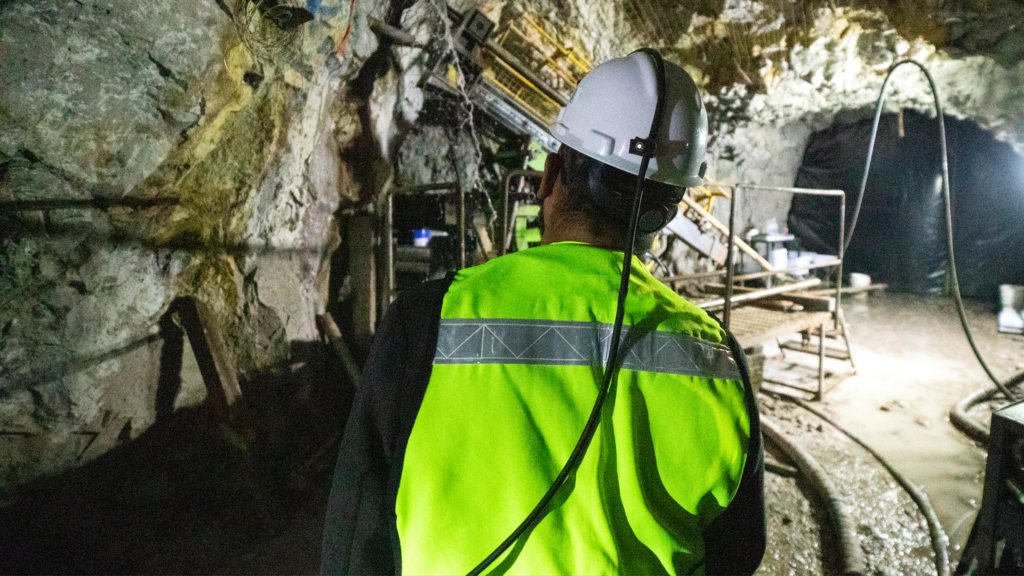
This is a practical structure you can use during a weekly walkdown.
Crusher Area
Check wear parts for uneven wear or loss of profile.
Look for loose liners, abnormal vibration, and material buildup.
Confirm guards, access points, and service areas are clear.
Note any changes in feed behavior or throughput.
Screening Area
Inspect screen media condition and fastening points.
Look for carryover, blinding, or material bypass.
Check for frame stress, noise changes, or vibration differences.
Record anything affecting sizing consistency.
Conveyors and Transfer Points
Inspect belt tracking and edge wear.
Check skirting, seals, and spillage at load zones.
Look at pulley lagging and idler condition.
Watch for buildup that changes material flow.
Material Handling and Support Systems
Check chute wear, impact zones, and liner condition.
Inspect feeders for consistent flow and wear patterns.
Review access for maintenance and part replacement.
Flag any area that repeatedly needs cleanup or rework.
Copyable Table: Weekly Uptime Inspection Log
| Area | What to Check | What to Note | Action Needed | Priority |
|---|---|---|---|---|
| Crusher | Wear profile, vibration, buildup | Uneven wear, movement, noise | Inspect further, schedule repair | High |
| Screen | Media condition, carryover | Blinding, poor sizing | Replace or adjust | Medium |
| Conveyor | Tracking, lagging, spillage | Edge wear, cleanup issues | Align, repair, monitor | High |
| Transfer point | Chute wear, seals, flow pattern | Buildup, turbulence, fast wear | Review liner or design | High |
| Feeder | Flow consistency, wear | Surging, uneven feed | Inspect components | Medium |
Why This Matters Right Now
This is the time to tighten maintenance routines before production demand increases.
If you clean up recurring issues early, you avoid carrying reliability problems into your next production cycle.
It is also a good time to align inspections with parts availability so your team is not identifying issues without the ability to fix them.
The Part Most Teams Miss
Most checklists focus on what is broken. The better ones track what keeps repeating.
If the same chute keeps wearing, the same conveyor keeps spilling, or the same crusher area keeps needing attention, that is not just maintenance.
It is a signal that something upstream needs to change. That could be liner selection, parts strategy, or equipment design.
Tracking repeat issues is how you move from inspection to improvement.
A Practical Approach You Can Use This Week
If you want your checklist to actually improve uptime, keep it simple and repeatable.
- Pick one system that has caused repeat downtime.
- Run the checklist with your crew and document what you see.
- Fix one high-impact issue instead of spreading effort across everything.
- Track results over tonnage, not just time.
- Then expand the process across the plant.
Want a Maintenance Plan That Supports Production?

If your team is dealing with recurring wear, unexpected downtime, or a growing repair list, you can connect maintenance planning with the parts, equipment, and field support your operation needs.
Frequently Asked Questions About Mining Plant Maintenance
What should be included in a mining plant maintenance checklist?
Focus on crushers, screens, conveyors, transfer points, and feeders. Include wear checks, alignment, vibration, buildup, and safety access.
How often should you run a maintenance checklist?
Weekly walkdowns work well for most plants, with additional checks tied to production volume or known problem areas.
What causes most unplanned downtime?
Recurring issues like misalignment, wear patterns, spillage, and overlooked transfer points often build into larger failures.
How do you improve plant reliability over time?
Track repeat issues, align inspections with parts availability, and fix root causes instead of repeating the same repairs.
Ready to Tighten Up Your Maintenance Program?
A solid checklist is only as useful as the parts and support behind it. Get a quote from Apache Iron Works or call 307-772-4563 to talk through your plant's maintenance needs with our team.

About the Author
Nathan Myers
Co-Founder & Managing Director
Nathan Myers is Co-Founder and Managing Director of Apache Iron Works, headquartered in Cheyenne, Wyoming. With 30 years in the mining and aggregate equipment industry, he has helped design and deliver more than 180 mining projects across 7 states and 7 countries.