

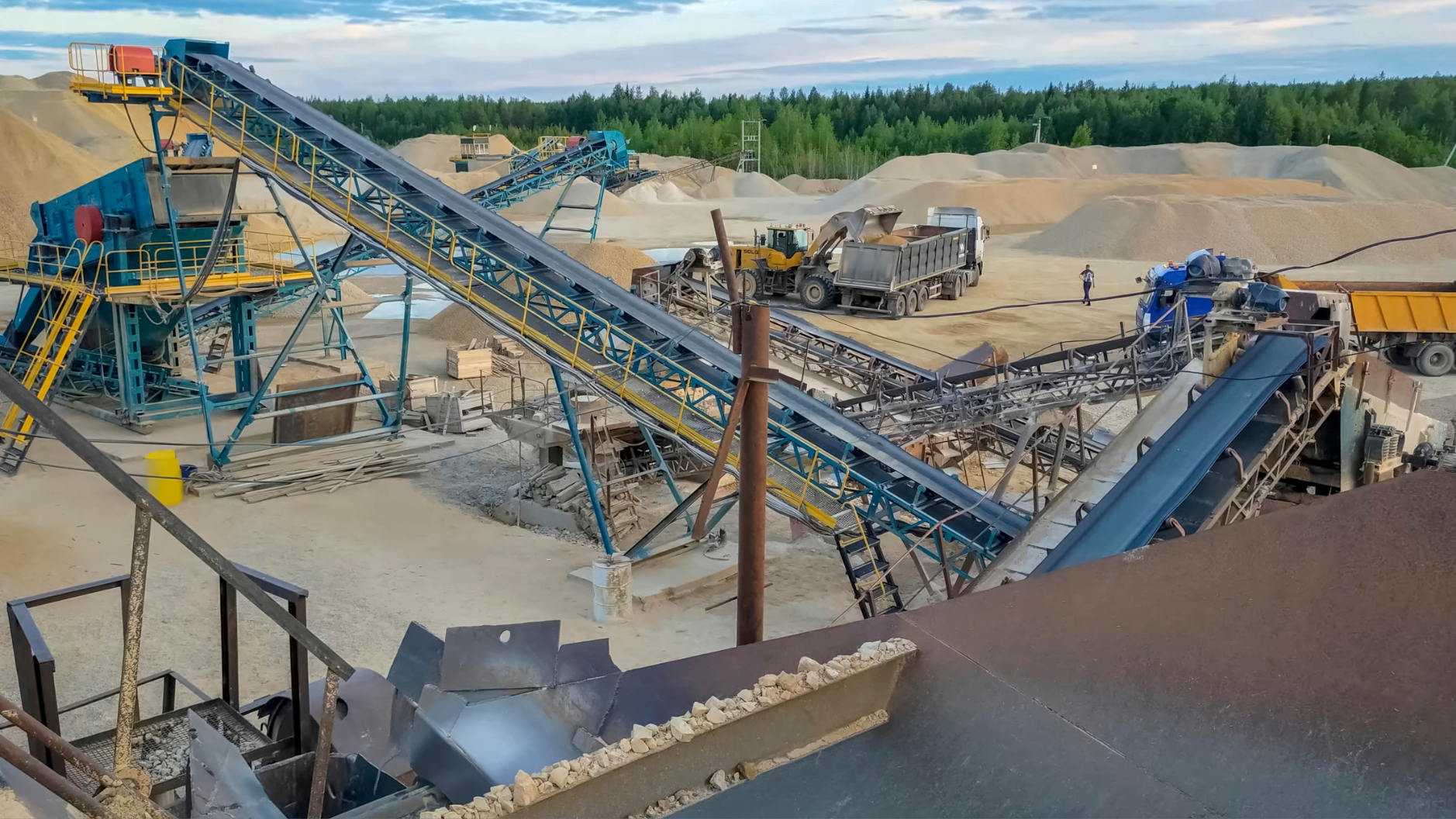
Why screen selection affects more than sizing
A screen does more than separate material. It affects throughput, product consistency, recirculation load, downstream wear, and how hard the rest of your plant has to work. When the screen is not matched correctly, the result is often more maintenance, more cleanup, and less control over final product quality.
That is why this is really an uptime and efficiency decision. A well-matched screen helps the entire system run better. A poor match creates problems that your crew ends up managing every shift.
What you should evaluate before you choose
The best screen decisions usually come from a few practical questions.
What material are you processing?
Different materials behave very differently on a screen. Moisture, fines content, particle shape, and stickiness all affect how easily material separates and how likely the screen is to blind or build up.
What product size do you need?
Your target product size affects media selection, deck arrangement, and how precise the cut needs to be. The tighter the requirement, the more important it becomes to match the screen to the application.
How much material do you need to process?
Capacity matters, but it should be balanced with efficiency. A machine that can move more material is not always the better fit if separation quality suffers or maintenance demands increase.
What are your operating conditions?
Dust, moisture, feed consistency, and plant layout all affect screening performance. Conditions on site often matter just as much as the base machine itself.
How much maintenance can your team support?
The right screen has to fit your maintenance reality. A smart equipment choice is one your crew can inspect, service, and keep running without constant disruption.
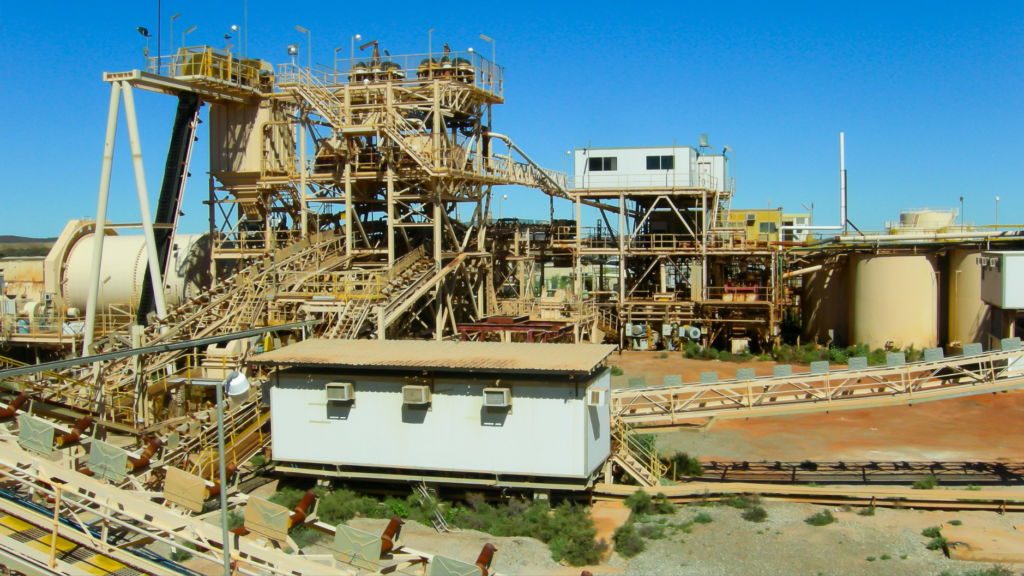
What to consider when choosing a mining screen
Фактор | Why it matters | What to ask |
Material type | Affects separation and wear | Is the material dry, wet, sticky, fine, or abrasive? |
Target product size | Affects media and deck setup | How precise does the cut need to be? |
Throughput demand | Affects screen size and area | What tonnage must the screen handle consistently? |
Wear expectations | Affects uptime and parts planning | How abrasive is the feed and how often will parts wear? |
Доступ для технического обслуживания | Affects labor and service time | Can your crew inspect and service it efficiently? |
The most common screen selection mistakes
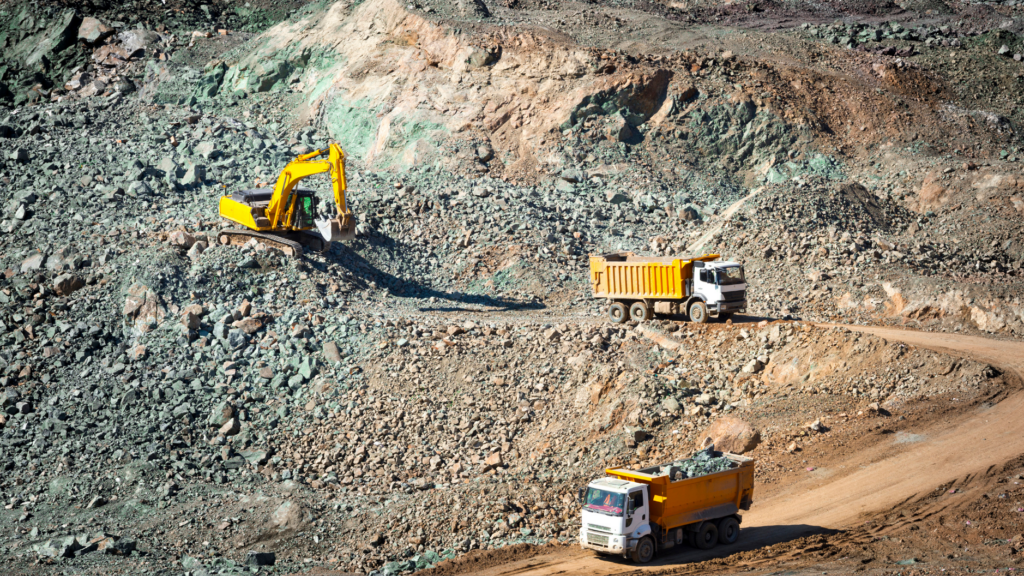
One of the biggest mistakes is focusing only on capacity. Another is choosing a screening setup without considering feed behavior, moisture, or how the material actually moves through the plant.
Teams also run into trouble when they separate screen selection from the rest of the system. If the crusher, conveyor, feeder, and screen are not working together, the plant ends up compensating for weak points that could have been solved earlier.
A practical way to think through the decision
If you are reviewing screen options for your plant, keep the process simple.
Start with the feed material and the product you need to make. Then look at how much tonnage you need to handle consistently, what your operating conditions look like, and how much maintenance support your team can realistically provide.
From there, bring the decision back to plant performance. Ask whether the screen will help reduce repeat issues like carryover, blinding, poor product consistency, or unnecessary wear. That is where a better equipment decision starts paying off.
Need help choosing the right screen for your plant?
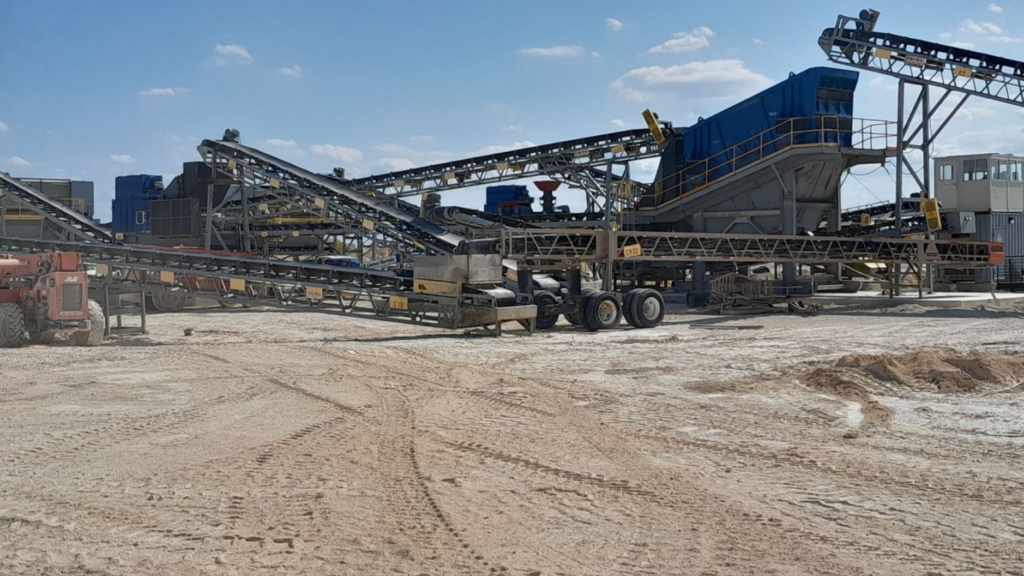
If you are planning a new screening setup or trying to improve an existing one, the best decision usually comes from looking at the full operation, not just the machine by itself. The right screen should support your production goals, reduce avoidable wear, and fit the way your team actually works.
Contact Apache Iron Works
Phone: 307-772-4563
Email: sales@apacheironworks.com