

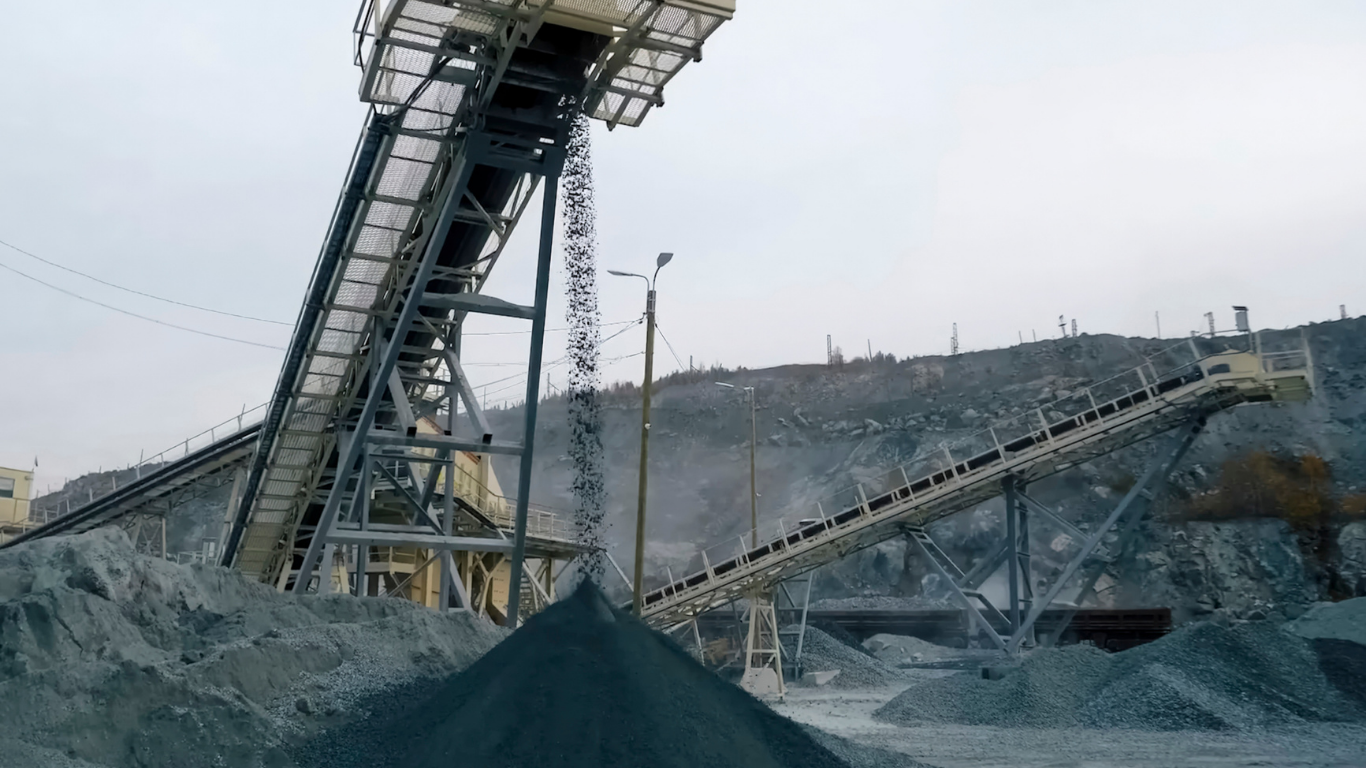
If you are comparing portable and stationary crushing plants, the better option usually comes down to how your site works day to day. The real question is not just whether the plant moves. It is whether the plant matches your material flow, production goals, maintenance reality, and long-term operating plan.
Portable plants can be a strong fit when your operation needs flexibility, faster repositioning, or a more modular setup. Stationary plants often make more sense when your layout is fixed, your production goals are long term, and you want a process built around consistency in one location.
Why this choice matters early
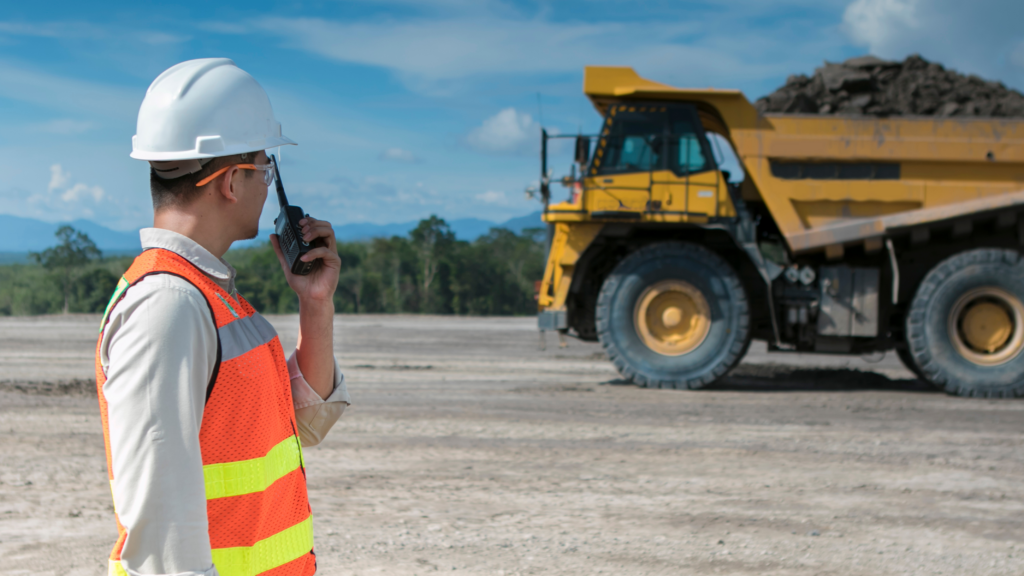
Plant type affects more than mobility. It shapes your layout, material handling flow, maintenance access, expansion options, and how easily the process can adapt over time.
A portable plant can solve one set of challenges while creating others. The same is true for a stationary plant. That is why the decision should be tied to the life of the project, not just the current job.
When portable plants make sense
Portable plants are often the better fit when your site benefits from flexibility.
That usually happens when jobs move, material sources shift, or the operation needs to reposition equipment closer to the work. In those cases, a portable plant can help reduce inefficiency and make the process easier to adapt.
Portable plants often make sense when:
- your operation moves between locations
- project timelines change often
- setup flexibility matters more than a permanent layout
- modular planning supports the way your site runs
When stationary plants make sense
Stationary plants are often the better fit when production is expected to stay in one place for the long run.
A fixed plant can support a more permanent layout, more stable access for service, and a process engineered around steady feed patterns and consistent material flow. When mobility is not a priority, a stationary setup often gives you more room to optimize around throughput and reliability.
This is especially relevant when the operation wants the plant designed around long-term efficiency instead of frequent movement.
Portable vs stationary crushing plants comparison
Factor | Portable plant | Stationary plant |
Mobility | High | Low |
Layout flexibility | Strong | More fixed |
Long-term site fit | Depends on project | Strong for stable locations |
Setup style | Modular and adaptable | Permanent and process-focused |
Best fit | Changing jobs or locations | Consistent long-term operations |
What teams often overlook

A lot of buyers focus only on whether the plant moves. A better question is how the full system will perform over time.
Think about how material enters and exits the process. Think about where conveyors and transfer points will sit. Think about how much room your crew will have to service equipment, how likely the plant is to grow later, and how often operating conditions are expected to change.
A practical way to make the decision
If you are weighing portable versus stationary plants, start with the life of the project.
Ask how often the site will move. Ask whether your layout is temporary or built for long-term production. Ask how material handling will connect to the plant. Ask what kind of maintenance access your crew needs. Then ask whether future growth will be easier with a modular setup or a fixed process design.
That is usually where the right answer becomes clearer.
Trying to decide which plant style fits your operation?
If you are weighing portable versus stationary crushing plants, the smartest move is to look beyond the category label and focus on what supports your site best. The right plant should match your production goals, layout, maintenance needs, and long-term operating plan.
Contact Apache Iron Works
Phone: 307-772-4563
Email: sales@apacheironworks.com