

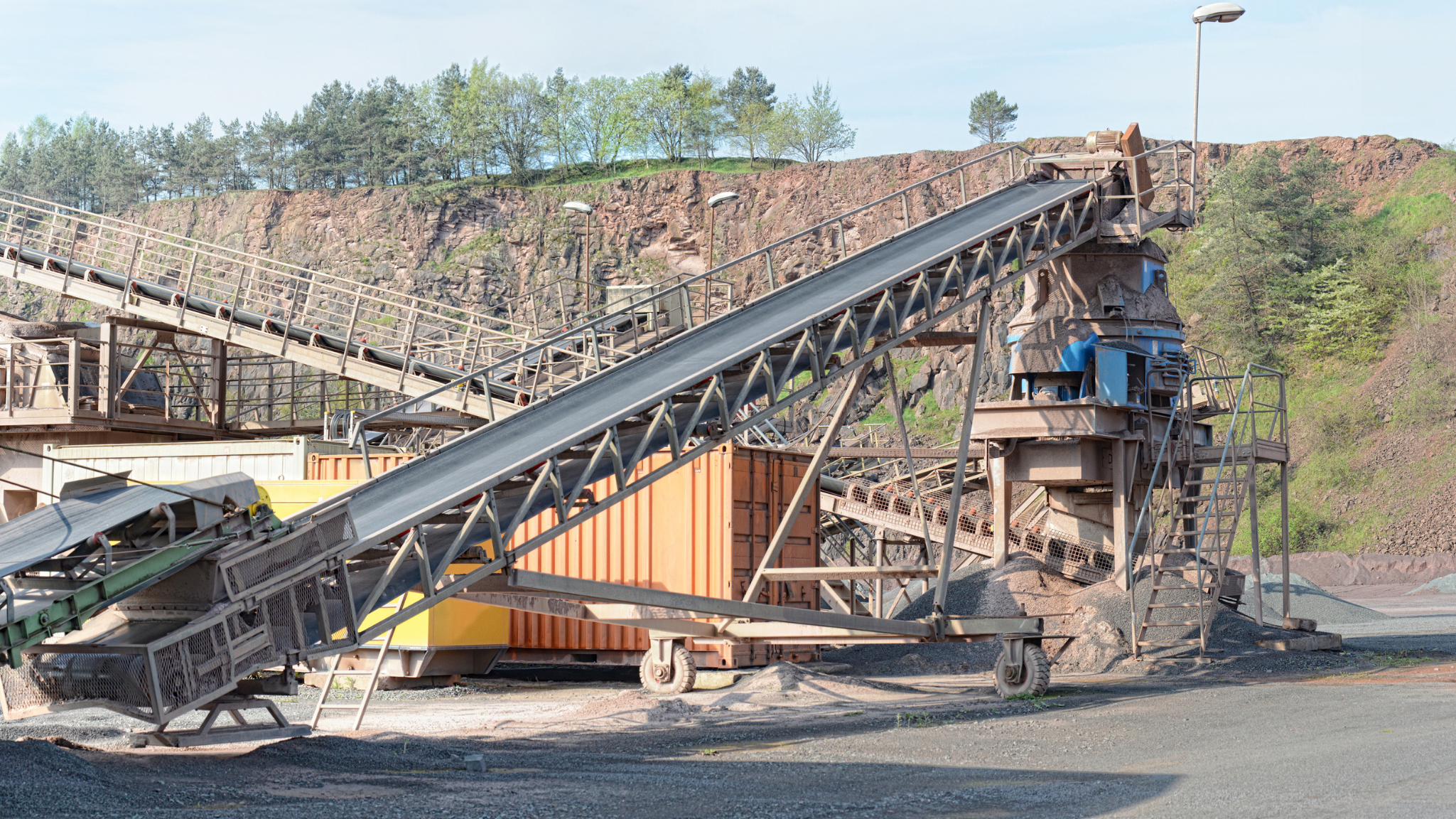
Reduce conveyor downtime in mining and aggregate operations with practical tips for transfer points, tracking, carryback, wear, and maintenance planning. Call 307-772-4563.
Why conveyor downtime costs more than it looks
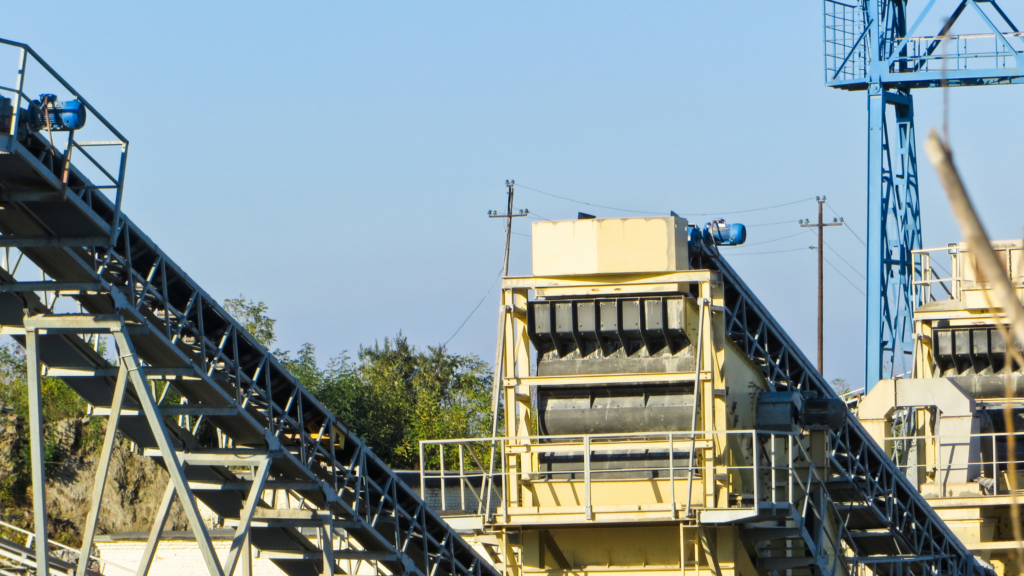
A conveyor problem rarely stays isolated. What starts as drift, spillage, or buildup can pull labor away from planned maintenance, create safety concerns, increase wear on surrounding components, and disrupt the production rhythm of the entire site.
That is why the real cost is not just the repair itself. It is the lost throughput, the extra cleanup, the rushed part replacement, and the time your team spends reacting instead of staying ahead of problems.
When you look at conveyor downtime this way, it becomes easier to justify better inspections, cleaner transfer point control, and more deliberate maintenance planning.
Where downtime usually begins
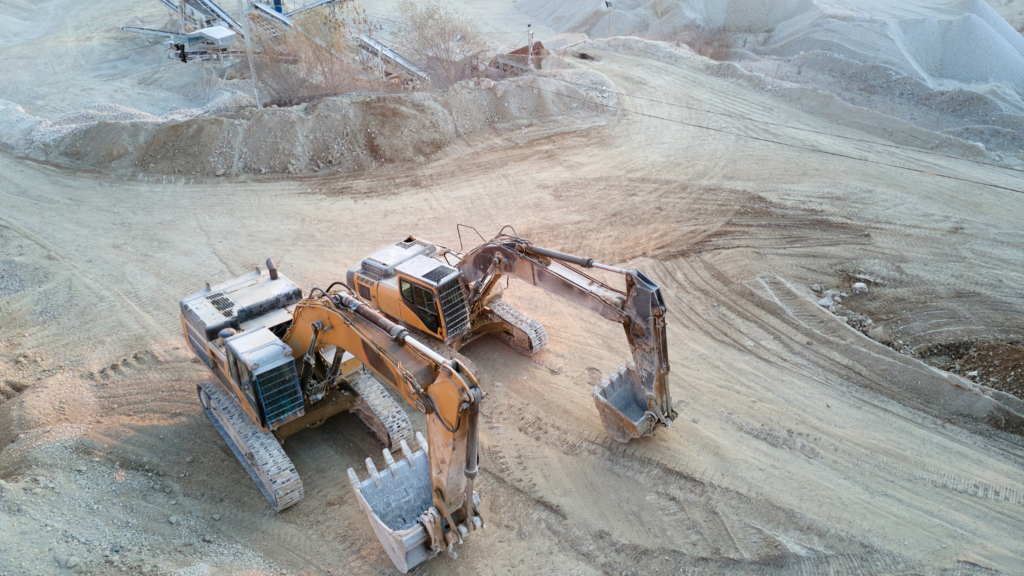
Most recurring conveyor issues fall into a few familiar patterns. Once you know where to look, you can usually spot the trouble before it becomes a shutdown.
Tracking problems
When a belt starts drifting, you often see edge wear, uneven loading, and cleanup issues building around the structure. Left alone, tracking problems can shorten belt life and create unnecessary wear on idlers and pulleys.
Transfer point problems
Transfer points are one of the most common sources of repeat downtime. If flow is not controlled well, you can end up with turbulence, carryback, spillage, accelerated liner wear, and constant cleanup around the conveyor.
Buildup and carryback
Material that sticks to the belt or collects at discharge points creates more than housekeeping work. It changes flow behavior, increases wear, and can make the whole system less predictable from shift to shift.
Pulley and idler wear
When lagging wears down or idlers stop performing the way they should, the conveyor stops acting like a stable system. That can lead to slippage, drift, abnormal wear, and unexpected maintenance calls.
Chute and liner wear
Sometimes the conveyor is not the root issue at all. The wear around the conveyor, especially in chutes and transitions, can be what starts the failure pattern and forces repeat attention.
What your team should check first
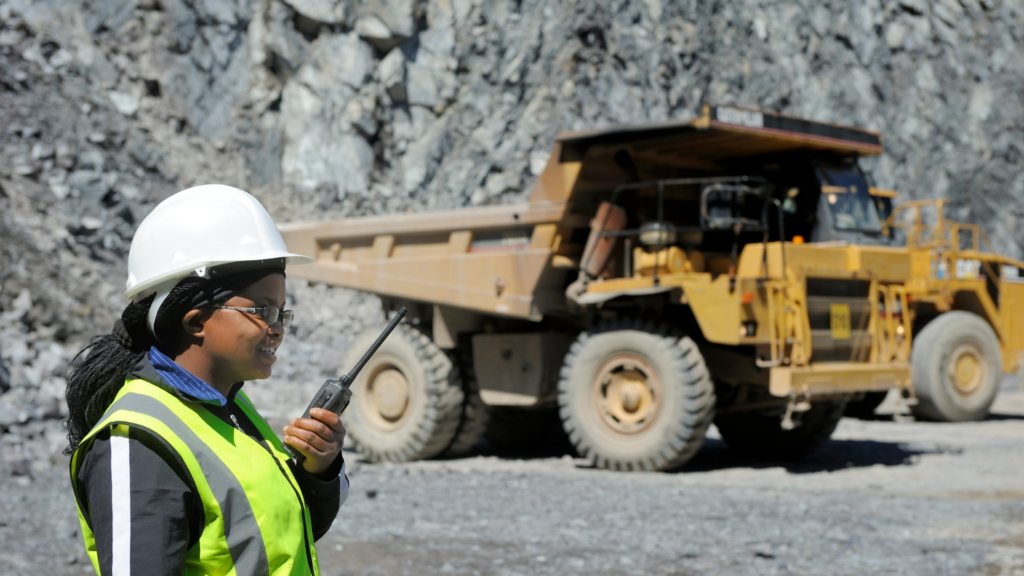
If you want to reduce conveyor downtime quickly, start with a simple walkdown focused on repeat issues.
Look at belt tracking across the full run. Check skirting and containment at the load zone. Review carryback at the discharge. Inspect pulley lagging and obvious idler wear. Watch for buildup underneath the structure. Study the transfer point and chute liners before assuming the belt is the main problem.
This matters because many conveyor problems are symptoms, not causes. The visible issue may be drift or spillage, but the true problem often starts where material enters, changes direction, or exits the system.
Weekly conveyor downtime inspection log
Area | What to inspect | Common warning sign | Operational impact | Recommended next step |
Load zone | Skirting, seals, belt alignment | Spillage, belt wander | Cleanup time, uneven loading | Adjust containment and alignment |
Transfer point | Flow path, chute wear, buildup | Turbulence, carryback, fast wear | Repeat downtime, liner loss | Review chute design and liner condition |
Discharge | Carryback, pulley condition | Material sticking, buildup | Cleanup, belt wear | Inspect cleaners and discharge behavior |
Idlers | Rotation, alignment, noise | Seized or noisy idlers | Drag, belt wear, tracking issues | Replace and realign |
Pulley lagging | Surface wear, grip | Slipping, uneven motion | Poor tracking, belt damage | Inspect lagging condition |
The fixes that often help first
Not every conveyor problem needs a major redesign. In many plants, the best early improvements are practical and targeted.
A cleaner tracking correction can stop edge wear before it spreads. Better transfer point containment can reduce spillage and cleanup labor right away. Replacing worn idlers or lagging sooner can keep one small issue from creating a wider pattern of downtime. A closer look at chute liners can reveal that the wear problem is happening beside the belt, not on it.
This is where your team gets the biggest early win. You do not need to fix everything at once. You need to interrupt the repeat pattern that keeps costing you time.
A practical walkthrough for your next shift
If you are walking the plant tomorrow, keep the process simple.
Pick one conveyor that has caused repeat cleanup, wear, or shutdown issues. Walk the full run and take photos from the same locations each time. Mark where tracking starts to drift, where material escapes containment, and where buildup begins changing flow. Check the transfer point and discharge before blaming the belt. Then choose one correction to test and tie your follow-up check to runtime or tonnage.
You usually get better results when you treat conveyor downtime like a repeat pattern to interrupt, not a one-time failure to patch.
How this connects back to uptime and revenue
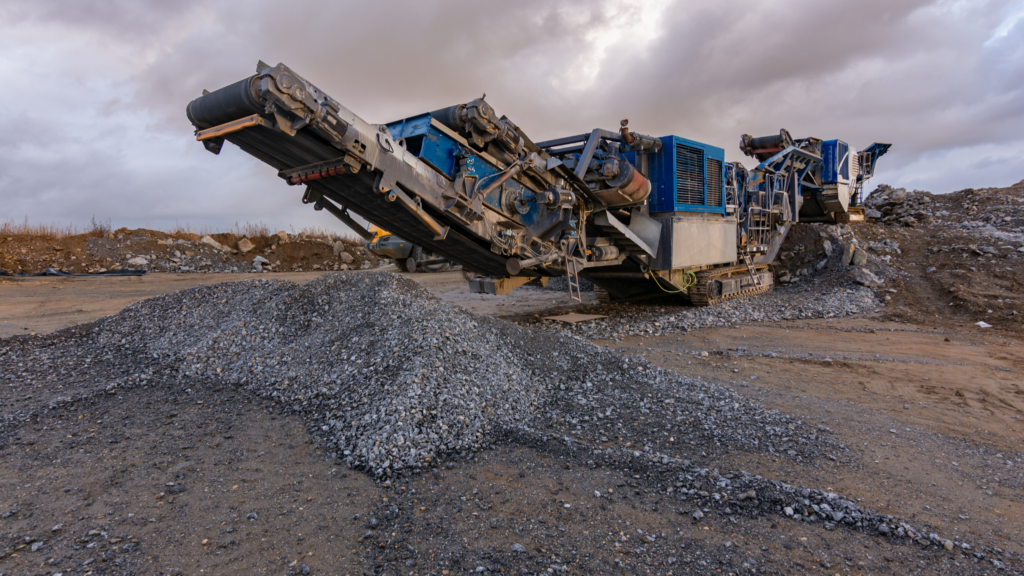
Conveyor reliability is really a production issue. When conveyors move material consistently, the rest of the plant can do its job. When they create repeated interruptions, every connected system starts reacting to the disruption.
That is why conveyor uptime matters beyond maintenance. It affects labor efficiency, plant stability, and how much sellable production you can move through the system without interruption.
If you are seeing the same conveyor problems month after month, it usually makes sense to connect what your team is finding in the field back to the equipment, parts, and support strategy behind it.
Want to reduce conveyor downtime without chasing the same problems every month?
If your conveyors are creating repeat cleanup, wear, or shutdown issues, a few practical corrections can make a meaningful difference. The goal is not just to fix what failed today. It is to reduce how often your crew has to come back to the same issue.